Secret Image Revealed: Understanding the Mystery of Hidden Photos
Announcements
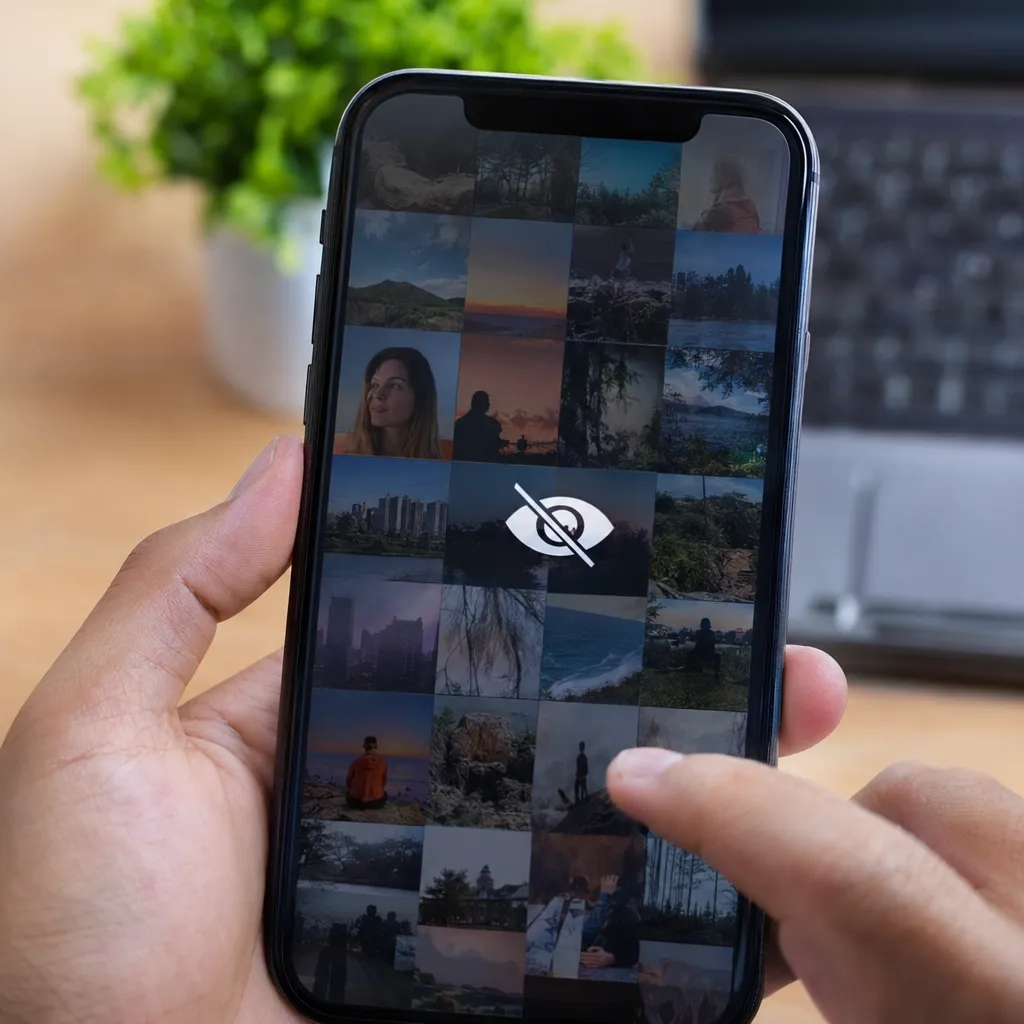
Hidden photos on mobile are images stored in private or protected folders that do not appear in the conventional gallery of your device. You can intentionally hide them to maintain the privacy of sensitive content, whether personal or professional. This feature exists on both Android and iPhone and works through special folders or native operating system settings.
continue on to the full guide:
 FREE GUIDE
Simple Trick to Find All Hidden Photos from Your Mobile Phone
✓Free
✓Step by step
✓Works on any
REVEAL THE PHOTO NOW!¹
📖 Reading 2 min · at no cost
People hide photos for completely legitimate and varied reasons. Some users protect important documents like bank statements or contracts, while others keep personal images that they prefer to keep away from prying eyes. Parents also use this functionality to better organize child or private content, and professionals can hide confidential information from customers. Privacy is a fundamental right, and having full control over which images appear in your main gallery offers peace of mind and security on your device.
Announcements
Finding the Hidden Folder on Android
On Android, the location of hidden photos varies by your phone manufacturer, but the overall process is similar on most devices. You should open the Native Gallery app or access the device’s file manager and search for a folder called “DCIM”, “.thumbnails” or “.hidden” (note that folders starting with a dot usually remain invisible by default. To view them, you need to enable the option to show hidden files in your file manager settings, which is usually found in the three-dot menu or gear. Depending on the Android version and the manufacturer’s custom interface, you can also find “Safe” folders that are encrypted (Srives).
Install the app now”’A common mistake you can make is to search for hidden photos without first enabling the preview of hidden folders, leading to frustration and the false impression that the images have been deleted. Many users do not know that Android by default hides folders that start with a dot (such as “.hidden”) specifically to prevent you from accidentally accessing system files. Another frequent mistake is to confuse hidden photos with deleted photos, when in fact they remain on the device, just out of view. The trick to reveal these images consists precisely in activating this hidden setting in the preferences of your file manager, which makes all private folders appear normally.
Revealing Hidden Photos on iPhone
On iPhone, the process of finding hidden photos works slightly differently, as Apple offers a native feature called “Hidden” (Hidden) within the Photos app. You can access these images by opening the Photos app, navigating to the Albums tab and scrolling down until you find the “Utility” section where the “Hidden” album is located (This folder contains all the images you have marked as hidden through the context menu of each photo. To reveal an image, you simply open the Hidden album, select the desired photo, tap the three-point icon and choose the “Show less” option to believe one people only one of one device.
Another frequent misconception is to confuse the Hidden album with private folders created manually or with the protection offered by Face ID or Touch ID in the Photos app. While the Hidden album simply removes the images from the overview, you can set up additional protection by tapping Settings, then Photos, and activating the “Hidden Album” option to require authentication. Many iPhone users make the mistake of trying to search for hidden photos in conventional folders or through third-party apps when the solution was native to the operating system all the time. The essential trick here is to specifically navigate to the Hidden album in the Albums tab and understand that it is the only place where these images are stored on the iPhone.
Apps to Manage Hidden Photos
There are numerous third-party apps available in app stores that offer advanced hidden and private photo management functionality, going beyond what native operating systems provide. Apps like Gallery Vault, Keepsafe, AppLock and Secure Folder let you create password-protected, standard or biometric digital vaults where you can store images with extra security. These apps often offer additional features like cloud backup, cross-device synchronization, organizing by custom categories, and even the ability to create fake folders to fool anyone trying to access your phone.
A very serious mistake that you should not make is to rely exclusively on third-party applications without keeping backup of your images, because if the app is removed or the developer discontinues the service, you may lose permanent access to your photos. Many people also make the mistake of using weak or obvious passwords in these digital vaults, completely denying the purpose of protection. Another common mistake is not to check the permissions that these apps request before installing them, and may unintentionally expose your photos to security risks. The important trick here is to choose reputable applications with high ratings, check your privacy practices through the app store and use strong symbols of at least 12 characters, lower case letters.
Care when Revealing Private Images
Before revealing any hidden image on your mobile phone, you should seriously reflect on the reason for this action and the implications it may bring. If you are trying to access hidden photos from another device or from another person without permission, you are committing a serious ethical and possibly illegal error depending on the jurisdiction where you live. Many users do not realize that invading someone’s digital privacy is as serious as invading physical privacy, which may result in legal consequences and irreversible relational damage. You must recognize that if another person has hidden an image, there is a valid reason for this, and respecting this decision is fundamental.
Another crucial care you should take is when dealing with sensitive images after revealing them, such as minor content or material of an intimate nature. Sharing or reusing such content without explicit consent is criminal in virtually all jurisdictions and causes severe emotional harm to the people involved. If you are a parent or guardian and need to monitor the cell phone of minors, it is recommended to use legitimate parental control tools and communicate transparently about monitoring. A common mistake is to reveal old photos thinking that “no one else knows” them, when in fact digital signals and metadata can track them. The correct trick is to establish clear protocols of parental control before accessing any private content from other people, always respecting the privacy as a fundamental right.
Difference Between Deleting and Hiding Photos
Many mobile users completely confuse the concepts of deleting and hiding photos, leading to situations where they think they have lost images when in fact they have only become invisible. When you hide a photo, it remains on your device, only removed from the standard view of the gallery, and can be revealed at any time through the hidden folders or specific albums. Already when you delete an image, it is sent to the recycle bin or folder of deleted items, where it remains for a limited period (usually 30 days) before it is permanently removed from the cloud servers and the device. You can recover deleted photos during this period by accessing the recycle bin, but after the deadline it becomes much more difficult.
A common mistake you can make is to hide a photo thinking you are deleting it, and then despair at not finding it in the main gallery. Another common mistake is not to check the recycle bin before reformatting the device, thus losing images that could have been recovered easily. Many people also do not understand that hiding photos does not offer protection against attacks or device theft, only against casual viewing. The important trick is to understand that hiding is a basic organizational and privacy measure, while deleting is a permanent removal action, and use each one for its specific purpose. If you want to really protect a sensitive image, the ideal is to hide and apply additional protection through an application with both strategies.
Tips to Organize Your Images Better
Organizing your photos efficiently on mobile goes far beyond simply hiding them when needed, involving a strategic system that you can implement immediately. Start by creating specific themed albums like “Documents”, “Personal”, “Professional” and “Memories”, separating your images by category and facilitating later search. You should also take advantage of the functionality of dates and locations available in most gallery apps, using time filters to locate old photos quickly. Regularly review your images at least once a month helps you identify duplicates, blurry or unnecessary photos that can be deleted, keeping your device and with free space.
A common mistake you probably make is storing absolutely all images on mobile without any criteria, leading to a messy gallery with thousands of disorganized photos.Many users do not utilize the cloud backup resources available for free through services like Google Photos, OneDrive or iCloud, which leaves their images vulnerable to accidental loss or device theft. Another mistake is not to establish a clear policy on which images should be hidden versus deleted versus kept visible. The trick for better organization is to create a hierarchical folder system that makes sense for your workflow, use descriptive names on important files, perform automatic backups versus reviewing content to keep it safe and secure.