How to Query Data from a Board with an App
Announcements
Do you want to know information about a vehicle just by typing the license plate? This task has become much simpler with the modern applications available.In this guide, we will show you exactly how to use these tools to query data by the vehicle plate, step by step.
Consulting vehicle information through the license plate is a time-saving process that offers transparency.Whether you are a potential buyer, an automotive professional, or someone checking a vehicle, knowing the right steps ensures you extract the information efficiently and safely.
Why Consulting Data by the Board is Important
When you are thinking about buying a used car or need to check vehicle information quickly, the query by the license plate becomes essential. This type of search allows you to access data such as owner history, pending fines, technical information of the vehicle and situation with the traffic agencies. The advantage is that you get this data without leaving home, quickly and organized.
Announcements
Current trends show that more and more people use specialized applications for this purpose. The market for online vehicular consultations has grown significantly in recent years, following the Brazilian digital transformation. Well-structured applications provide reliable information, extracted directly from official databases or consolidated sources, increasing security in automotive transactions.
Understanding Vehicle Query Applications
There are several applications available for querying vehicular data, each with its specific features and functionalities. Some focus on technical information of the vehicle, while others offer detailed history, including fines, accidents and transfers of property. Most of these applications work intuitively, allowing even users without technical experience can make their queries without difficulty.
 Consultation Fine Plate and Fipe
Classification:
”’I think it’S.
4.55
Age Classification:
Free Classification
Author:
DevPlank
Platform:
Android
Price:
Free
▶Download on Google Play
The best applications on the market follow strict data security trends and transparency in the information provided. They usually integrate with government databases or consolidated vehicle information records, ensuring that the data is accurate and up to date.In addition, many offer detailed PDF reports, facilitating the sharing and documentation of the information consulted.
Step by Step To Query Data by Plate
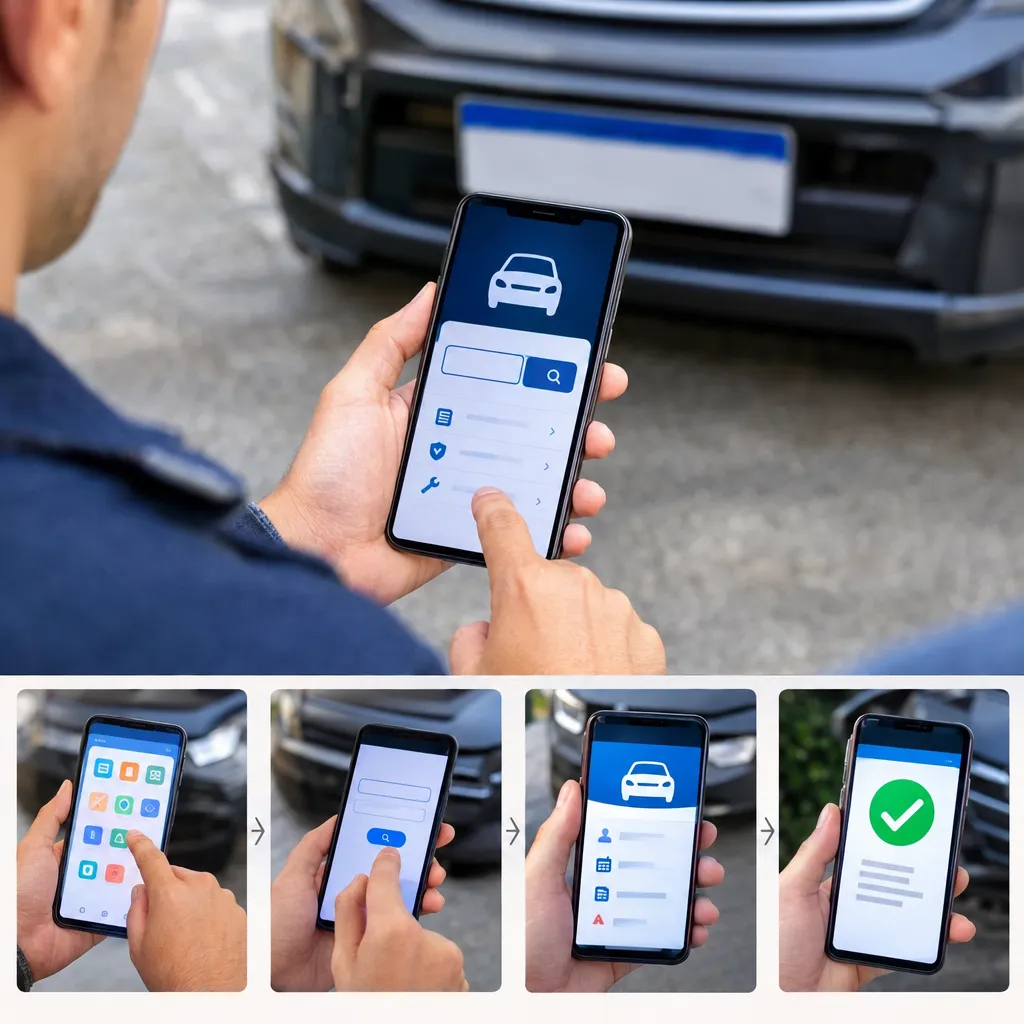
The consultation process begins with the download and installation of the chosen application. You must access the application store of your mobile phone (Google Play Store or Apple App Store), search for the name of the desired application and install on your device. After installation, open the application and, if necessary, create an account or log in with your credentials.
With the app installed and configured, the next step is to locate the query or search section. Most apps feature a home screen with a highlighted input field, usually with the icon of a vehicle card. Enter the car card you want to query, respecting the correct format (usually without hyphens or spaces). Some apps allow you to type both old and new cards, so make sure there are format options before proceeding.
After typing the card, click the search or query button, usually identified as “Search”, “Query” or with a magnifying glass icon. The application will then connect to its servers or integrated databases to retrieve the information. This process usually takes a few seconds, during which you will see a loading animation on the screen.
When the data is found, the application displays a structured report with the available information. This report includes data such as vehicle make and model, year of manufacture, color, fuel, chassis number and other technical specifications. Depending on the application and the type of plan contracted, you can also access information about fines, traffic violations, owner history and situation with regulatory bodies.
Interpreting the Results of the Consultation
The data returned by the application must be analyzed carefully to ensure that you have complete information. Start by checking that the technical data of the vehicle coincides with what you expected, such as make, model and color. This information is critical to confirm that the query was performed correctly and that you are analyzing the right vehicle.
Then examine the information on fines and traffic violations, if available. This is crucial when buying a used car, as pending fines can be transferred to the new owner or hinder future transfers. The application must clearly show the number of fines, the amounts and the status of each (paid, pending or disputed). If there are significant outstanding fines, this can influence your purchase decision or require negotiation with the seller.
Owner history information reveals how many times the car has changed ownership.A vehicle with many owners in a short time can indicate unresolved mechanical problems or other inconveniences.See also the time each owner has kept the vehicle to better understand its usage and maintenance history.
Check the situation with regulatory bodies, such as the State Secretariat for Public Security (or equivalent in your state). The application must indicate whether the vehicle is regularized, whether it has IPVA debts or other outstanding obligations. This information is essential to avoid legal problems after purchase and to ensure that you know exactly what the situation of the vehicle on your behalf will be.
Good Practices when Using Vehicle Query Applications
One of the most important good practices is to check the reliability of the application before using it. Search reviews in application stores, read reviews from other users and make sure the developer is a recognized company in the market. Applications with many negative reviews or with few downloads should be avoided, as they may offer inaccurate data or contain security vulnerabilities.
Protect your personal data when using any query application. Before installing, review the permissions requested by the application. If an application asks for unnecessary permissions (such as access to your contacts or location), this may be a warning sign.Use strong passwords for your account in the application and enable two-factor authentication, if available, to protect your login information.
When querying vehicle data, do not share the full reports on social media groups or public platforms. These documents may contain sensitive information that compromises privacy. Share only the specific and relevant information with the necessary people, especially when negotiating the purchase of a vehicle.
Update the application regularly to ensure you have access to the latest versions with security improvements and new functionality. Many applications receive ongoing updates that fix bugs, improve the interface, and add new data sources. Periodically checking for updates available ensures a safer and more efficient experience.
Current Trends in Online Vehicle Consultations
The online vehicle consultation market follows personalization and data intelligence trends. Modern applications now offer more detailed reports, comparative analysis between vehicles and even automatic alerts about changes in the car situation.Some platforms integrate artificial intelligence to help users interpret data and make more informed decisions about vehicle purchases.
Another relevant aspect is integration with other vehicle trading platforms.Many query apps now act as bridges between buying and selling platforms, allowing you to query data while analyzing ads in real time.This integration creates a more fluid and efficient experience for buyers and sellers.
In-vehicle query applications now implement end-to-end encryption, fraud protection, and compliance with data privacy regulations.These practices reflect the industry’s commitment to protecting sensitive user information while maintaining the transparency and reliability of the data provided.
Common Use Cases and Practical Applications
Used vehicle buyers are the main users of applications for consultation by the board. Before closing a negotiation, they use these applications to check that the car is clean of fines, IPVA debts and other problems. This practice has become standard in the automotive market, offering security for both buyers and sellers.
Automotive professionals such as mechanics and car salespeople use these apps daily to provide accurate information to customers. Insurance also uses consultation platforms to assess risks and determine coverage premiums.In addition, traffic and road police agencies use similar systems to identify stolen vehicles or vehicles with significant debts.
Individuals selling their cars also benefit from using these apps. Having a complete and up-to-date report facilitates transparency in negotiations and reduces potential mistrust.Many sellers share these reports with interested buyers as a way to demonstrate that the vehicle is regularized and without hidden problems.
Car rental companies and companies with fleets also rely on these applications to manage their assets. They regularly consult data to track vehicle status, identify issues with fines or infringements, and ensure all documentation is in order.
Comparing Different Types of Available Applications
There are applications focused exclusively on technical vehicle information, such as mechanical specifications, maintenance history and performance data. These are ideal if you are only looking to know car characteristics without information about fines or legal situation.They are usually simple to use and offer quick results with accurate data on the vehicle fleet.
Another type of application offers a more comprehensive view, combining technical information with history of infringements, fines and situation with regulatory bodies. These platforms are more robust and provide detailed reports in formats that can be shared or printed. They are particularly valuable for purchases of used vehicles, as they offer a 360-degree analysis of the car.
Some specialized applications focus on fraud detection and identification of stolen vehicles.They connect with police databases and national tracking systems to alert users to serious problems.These applications are often used by professionals and public safety agencies.
There are also applications that combine vehicular queries with buying and selling marketplaces.They allow you to consult a car and, in the same application, access similar ads, compare prices and negotiate with sellers. This integrated approach has gained popularity by offering a more complete and efficient experience to users.
Challenges and Limitations in Vehicle Data Consultation
A common challenge is the inconsistency of data between different sources.An application may present slightly different information from another due to updates at different times or the use of different databases. Therefore, it is recommended to consult more than one platform if the information is critical to your purchase decision or action.
Some information may not be available in certain applications due to limitations of access to official data. For example, not all applications can access information about previous accidents or structural damage if this data has not been officially recorded with the competent bodies. This limitation does not mean that the information does not exist, only that it may not be available through that specific channel.
Vehicle-query applications handle sensitive data, and not all offer the same level of protection. Choosing a reliable developer application with an established track record in the market reduces risks of personal information or data leakage from consulted vehicles.
While many apps offer some free consultations, more detailed reports often require payment.Subscription plans can vary greatly in price and benefits offered, so compare the options available before committing to a specific platform.
Final Tips to Maximize Your Results
Always verify that the card was typed correctly before you click search. Simple errors, such as confusing the letter O with the number zero, can return results to the wrong vehicle.If the application allows, please review the board before running the query to avoid unnecessary searches.
When you receive the results, take the time to read the full report and understand all the sections.Do not rely on highlights or summaries only; important information may be in the details.If something seems confusing or contradictory, contact the application support to clarify.
Save the consulted reports, especially if you are involved in a vehicle purchase. These documents serve as a record of your diligence and can be useful in case of future disputes.Many applications allow you to download the reports in PDF or send them by email to your own file.
Keep your login data safe and avoid sharing your account with third parties.If you need to share information about a consulted vehicle, do so through the reports generated by the application, not through your direct access to the account. This practice protects your privacy and the security of your personal information stored on the platform.
Finally, consider using multiple applications for important queries.Cross-validation of information gives you greater confidence in the data you get. If all platforms return similar information, you can be more secure in your decisions based on that data.