How the App for Listening to Old Songs Works
Announcements
Listening to old songs from the 70s, 80s and 90s has become much easier with the specialized apps for retro music streaming. These apps bring together gigantic collections of classic hits on a single platform, allowing you to access your favorite songs of any era whenever you want.
continue on to the full guide:
 FREE GUIDE
Discover the Perfect App to Listen to Your Favorite Old Songs
✓Free
✓Collection from the 70s
✓Playlist organized
KNOW MORE!¹
📖 Reading 2 min · at no cost
Whether you are a fan of progressive rock, disco, new wave, synthpop or that vintage funk that has marked generations, understanding how these applications work helps you better enjoy all the features available. In this article, we will explore the mechanisms behind these platforms and show real usage scenarios that you can apply in your daily musical.
Announcements
How Old Music Apps Organize the Collection
Modern retro music streaming apps work with structured databases that catalog millions of tracks per decade, genre, artist, and even by name of the original album.When you open the app, it presents collections separated by periods: 70s, 80s, and 90s, making it easy to navigate. This systematic organization allows the app to return accurate results when you search for a specific song or explore new artists of the time.
The categorization system goes beyond simply listing songs alphabetically. Many apps create themed playlists like “Best Hits of the 80s” or “Classic Rock of the 70s”, compiled by expert curators or even generated by algorithms that analyze the number of plays and user reviews. This personalized approach makes the experience more intuitive and helps you discover tracks you might never have found in a conventional search.
The Technical Functioning of Retro Music Streaming
Behind every old music playback in the app, there is a complex infrastructure of globally distributed servers. When you click on a track from the 80s to listen, the app connects to the platform servers, which have copies of the music stored strategically in different geographical locations. This ensures that the file is sent to you as quickly as possible, regardless of where you are in the country or in the world.
The application uses audio compression technologies to reduce the size of files without significantly compromising sound quality. While you are listening, the app automatically buffers the next few seconds of the track, ensuring continuous playback and no crashes. If your internet connection fluctuates, most of these applications can adapt, temporarily reducing the quality of the stream to maintain continuity.
Essential Features You Should Know
Virtually every old music streaming app offers fundamental features like creating custom playlists, where you can separate your favorite tracks from the 70s, 80s and 90s into your own collections. You can name your playlists, add or remove songs as you wish, and even share them with friends who also use the platform. This personal organization system turns the application into a music manager customized to your liking.
Another extremely useful feature is the favorites or likes system, where you mark the songs you like the most. The app uses this information to learn about your music profile and recommend new similar tracks.If you enjoy several David Bowie songs from the 70s, the app will probably suggest artists like T. Rex, Roxy Music or other glam rock names that you might enjoy. This customization improves your music discovery experience continuously.
Real Scenarios of App Use in Your Day to Day
Imagine you are performing household chores on a Saturday afternoon and want a nostalgic soundtrack.You open the streaming app, go to the “Years 80” section and select a playlist with 80s pop hits like Michael Jackson, Madonna and Prince. While washing dishes or tidying up the house, the music plays continuously without interruptions, creating a fun and energetic atmosphere that makes tasks more enjoyable.
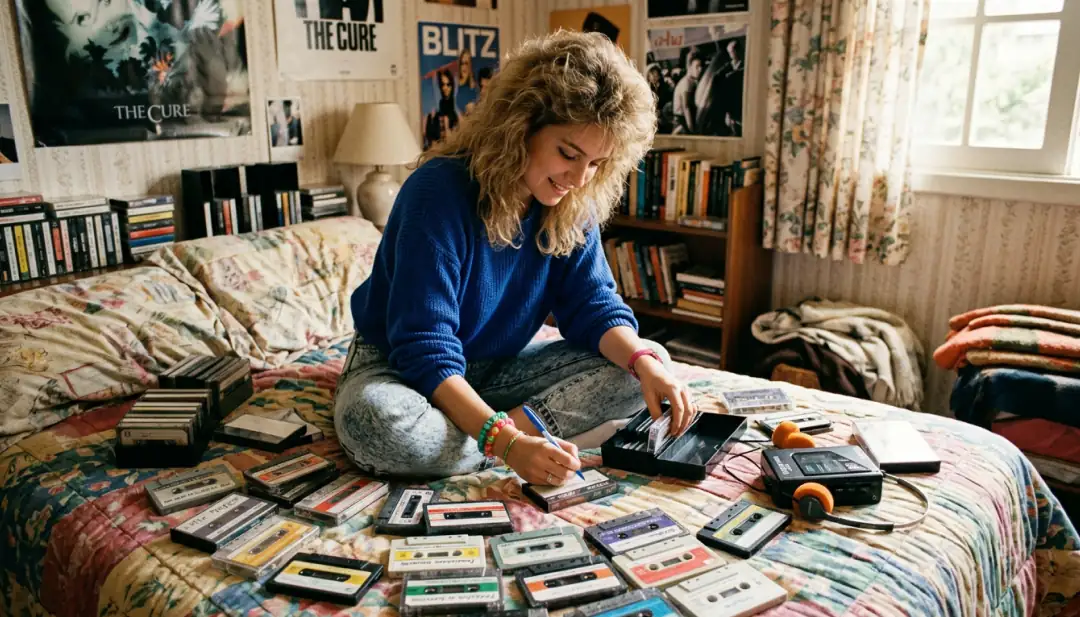
Another common scenario is when you see yourself in a traffic jam or long car trip. Many apps offer offline mode, allowing you to download old music on your device when you are connected to the internet. During the trip, even without data signal, you can listen to your favorite faxes of the 70s, 80s and 90s, turning the route into an immersive musical experience. This prevents excessive consumption of mobile data and ensures continuous entertainment.
Professionals working in home office often use these applications to keep the focus during work. A progressive rock session from the 70s or electronic from the 80s can serve as a productive soundtrack, increasing concentration without being intrusive. You set up a playlist, put the application in continuous playback mode, and let the music play while working, creating a sound environment that favors intellectual performance.
In social contexts, such as meetings between friends who share a passion for retro music, the app allows multiple users to contribute to a collaborative playlist.Each person adds their favorite old songs, creating an eclectic selection that reflects the tastes of everyone.This social functionality turns the music session into a participatory event, where each track brings different memories and stories to the group.
Smart Personalization and Recommendations
Modern streaming apps algorithms analyze every detail of your musical behavior.They track how often you play a specific song, how long you leave the track playing, whether you jump before the end, and even the time of day you prefer to listen to certain genres.With this information, the app can predict with impressive accuracy which songs from the 70s, 80s and 90s you are likely to like.
Based on these standards, the app offers sections like “Recommended for You” or “Discover”, featuring artists and tracks you’ve never heard but that perfectly match your music profile. If you’re an 80s new wave fan, the algorithm can recommend lesser-known bands of the same genre that you’ll surely appreciate.
Audio Quality and Adaptability to Your Connection
The quality of the sound you receive depends mainly on your internet connection and the plan chosen in the application. Fast connections and premium plans usually offer playback in high quality, which better preserves the original details of the classic recordings of the 70s, 80s and 90s. For users with slower connections, the application automatically reduces quality, prioritizing the continuity of playback over audio fidelity.
This clever adaptability means you never run out of your retro music because of connection issues.If you leave an area with good 4G coverage for a region with only 3G, the app adjusts the bitrate of the stream automatically, keeping the music playing even in less ideal conditions.
Understanding how these apps work allows you to make the most of all the features available and customize the experience to your specific music habits.From cloud storage of your playlists to smart recommendations based on your tastes, each aspect is designed to make your journey through music of the 70s, 80s and 90s more enjoyable, accessible and enriching.