Complete guide: how to simulate police radio and have fun
Announcements
Have you heard of simulated police radio and been curious to know how it works? This is an increasingly popular activity among technology enthusiasts, amateur radio and even players looking to experience immersive experiences.
Police radio simulation combines elements of gaming, amateur radio and digital communication to create a realistic and fun experience. Contrary to what many think, it is not necessary to have advanced knowledge or expensive equipment to get started. With the right applications and tools, anyone can get involved in this fascinating universe.
What is simulated police radio and how it works
Simulated police radio refers to applications and platforms that reproduce the experience of monitoring communications from public security agencies. These simulators use databases of real frequencies, authentic audio and interfaces that mimic professional radios.The goal is to provide entertainment, education or simply satisfy curiosity about how police operations work.
Announcements
The basic operation is simple: you open the application, select a specific agency or department, adjust the desired frequencies and start listening to communications. Some simulators allow you to customize the experience by choosing different cities, states or even countries. This makes the activity much more interactive and personalized than simply listening to a conventional radio scanner.
While a physical scanner captures real radio signals from the air, a simulator uses recorded audio files or pre-registered transmissions.This means you have access to consistent content without interference or poor audio quality, and you do not face legal issues related to intercepting specific signals in some jurisdictions.
 Radio Police Scanner 2023
Classification:
^^^^^^^^^^^^^^^^^^^^^^^”’
4.07
Age Classification:
Free Classification
Author:
Kate D’s.
Platform:
Android
Price:
Free
▶Download on Google Play
Main applications to simulate police radio
There are several applications available in the market that offer police radio simulations with different levels of detail and realism. The choice of the best depends on your preferences, the operating system you use and the type of experience you seek.
Apps with live streaming
Some apps focus on providing access to live broadcasts from public radios and public safety frequencies from different regions. These apps often have an intuitive interface that allows you to easily select the location and agency you want to monitor. The big difference is the sense of authenticity, since you are listening to real communications filtered and made available legally.
These apps often offer features like bookmarks, listening history, and notifications when specific activities are detected.The audio quality is often good, and many of them work on both Android and iOS, ensuring you can access from any device.
Simulators with pre-recorded recordings and audios
Another popular category is that of applications that use databases of authentic recordings of police communications. These simulators allow you to choose specific scenarios, cities or periods to listen to realistic communications. Some of them even allow you to create your own custom scenarios, offering an even greater level of customization and fun.
The advantage of this type of application is that you do not need constant internet connection to use, because the audios are stored locally on your device. In addition, you have full control over what you hear, without relying on live broadcasts that can be slow or tedious depending on the time. Some of these apps also include educational resources, such as explanations about radio codes and police procedures.
Community and multiplayer platforms
There are even more advanced platforms that work as communities, where multiple users can simulate scenarios together.In these environments, you can act as a dispatcher, police officer or even citizen in a coordinated simulation. These platforms often require account creation, basic training on procedures, and follow structured scripts to create coherent narratives.
These communities can include features like dedicated voice channels, user ranking, virtual uniform, and even in-game currencies that you can spend on items.For those looking for a social and immersive experience, these options are ideal.
How to choose the best app for your need
Choosing the right app depends on a few important factors you need to consider. First, define what your main goal is: do you just want to listen to real streams, want a gamified experience, or do you want to participate in an interactive community? This clarity will guide your decision in a meaningful way.
The operating system is another crucial aspect.Make sure the application you want to use is available on your smartphone, tablet or computer. Not all simulators work on all platforms, so this is an essential initial check before investing time in downloads or account creation. Also consider compatibility with previous versions of the operating system, in case your device is not too recent.
Evaluate the audio quality offered by the app.Some simulators prioritize extreme realism with low-fidelity audios that mimic old broadcasts, while others use high-quality crystal clear audio.This can make a big difference in your experience, especially if you spend long hours using the app.Watch demo videos or read user reviews to get a clear idea before installing.
The number of frequencies, agencies and cities available also matters a lot. If you want diverse listening, choose an application with a wide catalog of options. If you prefer to focus on a specific region, a more specialized app can better meet your needs. Also check how often the developer updates the content and adds new broadcasts or frequencies.
Finally, consider the cost. Some apps are completely free, others offer free version with limited functionality, and some are paid. Evaluate the cost-benefit: a paid app can offer more features, fewer ads and better support. Already free ones are excellent to test if you really like this activity before committing money.
Step by step: starting your first simulation
After choosing your app, it’s time to get started. The first step is to download and install the app on your device. If the app requires an account, create one with your basic information. Most of these apps do not ask for overly personal information, just email and password to manage your account.
After installing, open the application and familiarize yourself with the interface. Look for the main menus, which usually include options such as “Frequencies”, “Agencies”, “Cities” or “Scenarios”. Take a few minutes exploring the structure of the app without necessarily hearing anything yet, just to understand how to navigate.
Select a specific agency or frequency that interests you. If it is your first time, start with something familiar, such as your own city police or a well-known department.This will make the experience more meaningful and help you better understand the content you are listening to. Then press the play button or select the option to start listening.
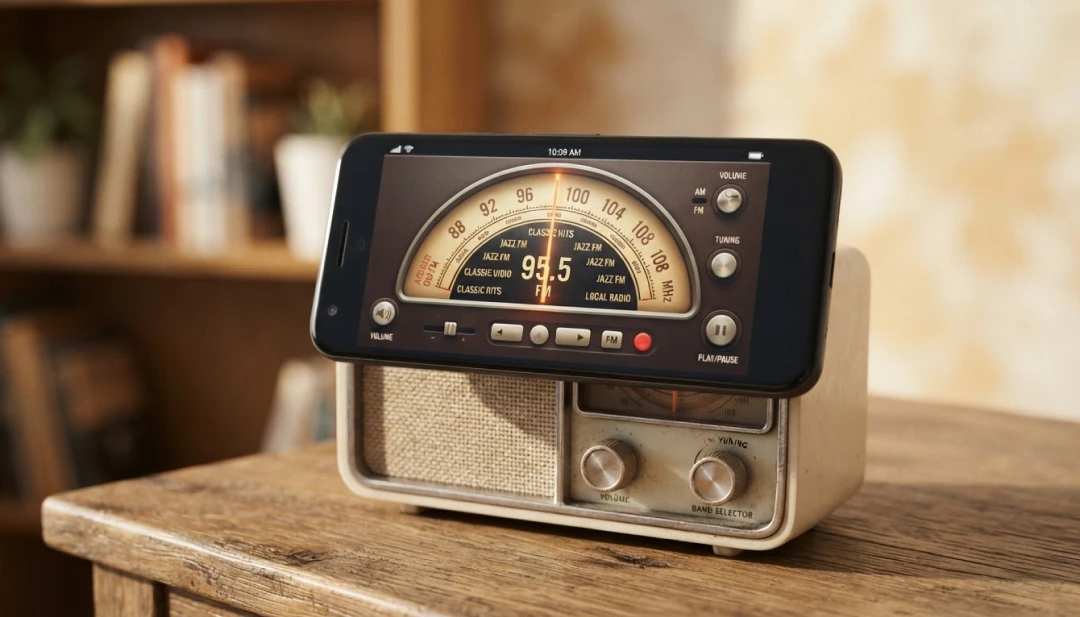
Adjust the volume of your device to a comfortable level and start listening. In the first moments, you may hear little or nothing depending on the activity at that time. Do not give up immediately; different times have different levels of activity. Try at different times to find when there are more communications at the frequency you chose.
While listening, try to familiarize yourself with the radio code and the procedures used. Many applications include a guide or dictionary with the most common codes used by that agency. Learning these codes significantly enriches your experience, making it much more engaging and educational. Pay attention to patterns, types of communication and how professionals refer to different situations.
Advanced features and functionality to get the most out of it
Once you are comfortable with the basics, explore the more advanced features offered by your app. Many simulators allow you to create favorite lists with the frequencies you like to listen to the most. This saves time and makes the experience more fluid the next time you use the app.
Some apps offer advanced filters and searches, allowing you to search for specific types of incidents or communications. If you want to listen only to emergency calls, for example, there may be a filter for this. Others allow you to save interesting audio clips to revisit later. These features turn the experience of simple listening into a more structured and organized activity.
Check for interactive map features that show incident locations in real time or near real time. Some premium quality apps include map integration, allowing you to see exactly where communications are happening. This adds an extra layer of contextualization and visual interest to the listening experience.
If you engage in multiplayer simulation communities, explore dedicated voice channels and discussion forums.Many communities have training guides, standard operating procedures, and tips from veterans that can accelerate your learning curve significantly.
Also look for tutorials and webinars offered by the developer or the app community. Some content creators on YouTube and streaming platforms are specifically dedicated to creating tutorials on police radio simulators. Watching these videos can reveal features you did not even know existed and techniques to better enjoy your chosen application.
Practical tips for a more realistic and engaging experience
To increase immersion in your police radio simulation, consider using quality headphones instead of your device’s speaker. Headphones provide a much more immersive experience and allow you to notice audio details that would go unnoticed with the standard speaker.In addition, you can use your simulation without disturbing other people around.
Create an environment conducive to activity. Some users like to have physical maps, notebooks to write down procedures, or even wear simulated uniforms while participating in multiplayer sessions. These small additions go a long way to making the experience more engaging and memorable. You do not have to be extreme in this, but a little contextualization helps a lot.
Study the radio codes, unit numbering, and specific terminology of the agency you are monitoring.Different police departments, fire departments, and other agencies have their own coding systems and vocabulary. Mastering these codes makes listening much more meaningful as you will understand what is being communicated beyond just hearing words.
Participate in different times to experience variations in activity. Police are more active at certain times of the day, on weekends, or during specific events. Exploring these variations, you will have a more complete understanding of how actual operations work over time. This also prevents you from getting bored when noticing repetitive patterns.
Connect with others who share the same interest.Whether through online forums, social media groups, or communities within the apps themselves, exchanging experiences with other enthusiasts enriches your understanding and makes the journey much more enjoyable.
Comparison between different forms of engagement with simulated radio
When considering how to engage with simulated police radio, you have basically three distinct approaches, each with its own benefits and challenges. The first is the passive approach: you simply listen to real or simulated broadcasts through an app, without active participation.
The second approach is gamified through interactive simulators. Here you participate in pre-structured scenarios, make decisions, and your performance affects the outcome. This form offers more engagement than the passive, but still maintains clearly defined structure and boundaries.It is perfect if you want fun and learning without having to commit to complex communities.
The third approach is community through coordinated multiplayer simulations. You interact with other players in real time, following community-established operating procedures.This is the most challenging and rewarding way, but it requires time, continuous learning and dedication to truly excel and fully enjoy.
To choose which approach to follow, consider your time availability, interest in structured learning, and willingness to interact socially.If you only have 15 free minutes a day, the passive approach is ideal. If you have one to two hours and want more interactivity, gamification works best.If you have several hours a week and seek community, community multiplayer is your best option.
Many users start with the passive approach and gradually evolve to the more complex as they become familiar with the topic and develop deeper interest.It is okay to start simple and increase complexity over time, this is actually the natural path for most people who engage with this activity.
The experience of simulating police radio offers real benefits beyond pure entertainment.You acquire knowledge about public safety procedures, learn to deal with pressure situations, develop clear and concise communication skills, and potentially discover a career of interest. Whatever your initial reason, this activity usually surprises with the value it adds to the life of those who genuinely engage with it.