Exclusive iPhone App to Test Brands and Receive Free Products
Announcements
Would you like to try products from well-known brands without shelling out a penny? That is the promise of some applications that function as product testing platforms for iPhone users.In this article, you find out how these tools work, which ones are the most reliable and how to start participating in paid testing programs.
The idea behind these apps is relatively simple: big brands need real feedback on their products before launching them to market at full scale. Instead of relying only on internal testing, these companies choose to send their items to ordinary people who use, evaluate and share their opinions.
How Product Testing Apps Work
Product testing apps act as intermediaries between brands and consumers. When you sign up for one of these programs, you fill out a detailed profile with information about your interests, lifestyle, and shopping preferences.This registration helps brands identify which profile is optimal for testing each specific product.
Announcements
After your profile is complete, you receive notifications about new testing opportunities. Each test comes with specific instructions: how often you should use the product, what aspects should be evaluated and what is the deadline for submitting your opinion.Some applications require you to photograph or record videos using the product, while others ask only for answers to detailed questionnaires.
The waiting time to receive a product can vary greatly. Some tests send items in a few days, while others take weeks. The speed depends on several factors, such as the location of the brand deposit, the amount of testers selected and the urgency of the launch. Patience is an essential virtue if you want to participate regularly in these programs.
Download app Platform: Android ▶Download on Google PlayTop Testing Platforms Available for iPhone
There are several platforms that offer product testing opportunities. UserTesting is one of the best known, functioning as a marketplace where companies publish usability tests of websites, apps and digital products. You access via iPhone and perform specific tasks while sharing your verbal and written reactions with the contracting brand.
Influee is another popular option, specializing in connecting influencers and ordinary users with brands seeking authentic disclosure. The platform allows you to participate in campaigns where you test products and share your experience on social networks. The application is intuitive and offers several ways to earn, from free receipt of the product to small cash values.
Product Hunt is a community focused on launching new digital and physical products. Although it is not exclusively a testing app, it offers access to early-stage products before the official launch.You can download the application on iPhone, discover upcoming releases and often receive free access to premium titles or beta products.
AppAdvice is known primarily for application analytics, but it also offers opportunities to test software in development. If you are an active user of apps on iPhone, this platform may be interesting to participate in testing new versions before the official release on the App Store.
What You Need to Know Before You Start
Before downloading any testing application, it is important to understand that not every test will result in a physical product coming to you. Many tests focus on feedback on digital designs, ideas or prototypes.In addition, not all tests pay cash: some pay only with the tested product or with points that can be exchanged for future discounts.
Your credibility on the platform is critical. If you receive a product to test and then do not submit the requested feedback or disappear without informing anything, you can be blocked from the program. Brands invest money in this process and expect guaranteed return. Keep communication open and meet the deadlines set to maintain your access to the best opportunities.
The security of your data also deserves attention. When filling profiles in these applications, you share personal information and purchase preferences. Always check the privacy policy of the platform and choose only applications from recognized and trusted companies.Wary of platforms that ask for advance payment to participate: most legitimate programs do not charge anything to register.
Create a separate email account specifically to participate in these programs. This helps keep your inbox organized and reduces the risk of your personal account being compromised.In addition, it makes it easy to track and archive communications related to the tests you have participated in.
How Much You Really Can Earn
The financial reward varies enormously depending on the type of test and the platform. Some website usability tests pay between 10 and 50 reais for 20 minutes of work. More complex tests that require multiple interactions with a physical product can pay from 100 to 300 reais, in addition to the product itself that you stay with you.
In the beginning, when your profile is new, you may not be selected for many tests. As you complete more reviews and build a reputation on the platform, opportunities increase. Experienced users who actively participate report earning 500 to 2 thousand dollars per month by dedicating a few hours a week to the tests.
It is important to have realistic expectations: you will not get rich from it. Think of the program as a way to supplement your income while testing products you would already buy. The real bonus is not to pay for these items while receiving reward for evaluating and sharing your honest opinion.
Some tests offer only points instead of cash. These points can usually be converted into vouchers, discounts or even donations to charities. Before accepting a test, check exactly what the reward is and if it is worth your time.
Frequently Asked Questions About Product Testing Applications
The most common question is whether these programs really work and whether you actually receive free products. The answer is yes, but with caveats.You genuinely receive products to test and your opinion influences decisions of real brands. However, not all tests result in shipping physical products, and the availability of opportunities varies depending on your geographic location and profile.
Many people also ask if it is necessary to pay to get started. Direct answer: no. Legitimate product testing programs never charge a registration fee. If an application asks you for money to participate, it is a fraud. Exit immediately and report if possible.
Another frequent question is about the time needed between signing up and receiving the first product. This varies greatly. Some users receive a test in a few days, while others wait weeks or months. Your location, type of profile and luck greatly influence. The more complete your profile and the more selections you fulfill, the faster the opportunities arrive.
People also question whether they can sell the products they receive for testing. Technically, you can do this, but many test contracts explicitly prohibit this practice.If you sell the product, you can be blocked from the platform permanently.The goal is to genuinely test and provide honest feedback, not profit from products shipped free of charge.
A common question is how many tests you need to complete per month. There is no minimum number on most platforms. You participate when you want and have time. The more active you are, the more opportunities you will receive. Some users take a test per week, others per month. The ideal is to maintain some regularity so that your account does not become inactive.
Many users want to know if they need a specific bank account to receive payments. Most platforms offer several options: bank transfer, Pix, PayPal or even prepaid card. Check what options are available before signing up, especially if you do not have a traditional bank account.
Another question is about the veracity of the requested reviews. Do brands really want your honest opinion? The answer is yes. If you only sent positive reviews about everything, your responses would lose value. Brands need genuine feedback, including reviews, to improve their products. Be honest and detailed in their reviews.
People also ask if there is limit of products you can test. There is no maximum limit. The more you participate and complete tests satisfactorily, the more products you will receive.Some dedicated users test multiple products per month, building a steady stream of items coming home.
A legitimate question is about security: how to make sure that I am using a secure application? Search the company behind the platform, read reviews on app stores and on independent websites, make sure that the app has security certification and never enter complete banking information (passwords, full card numbers). Most legitimate platforms use secure third-party systems to process payments.
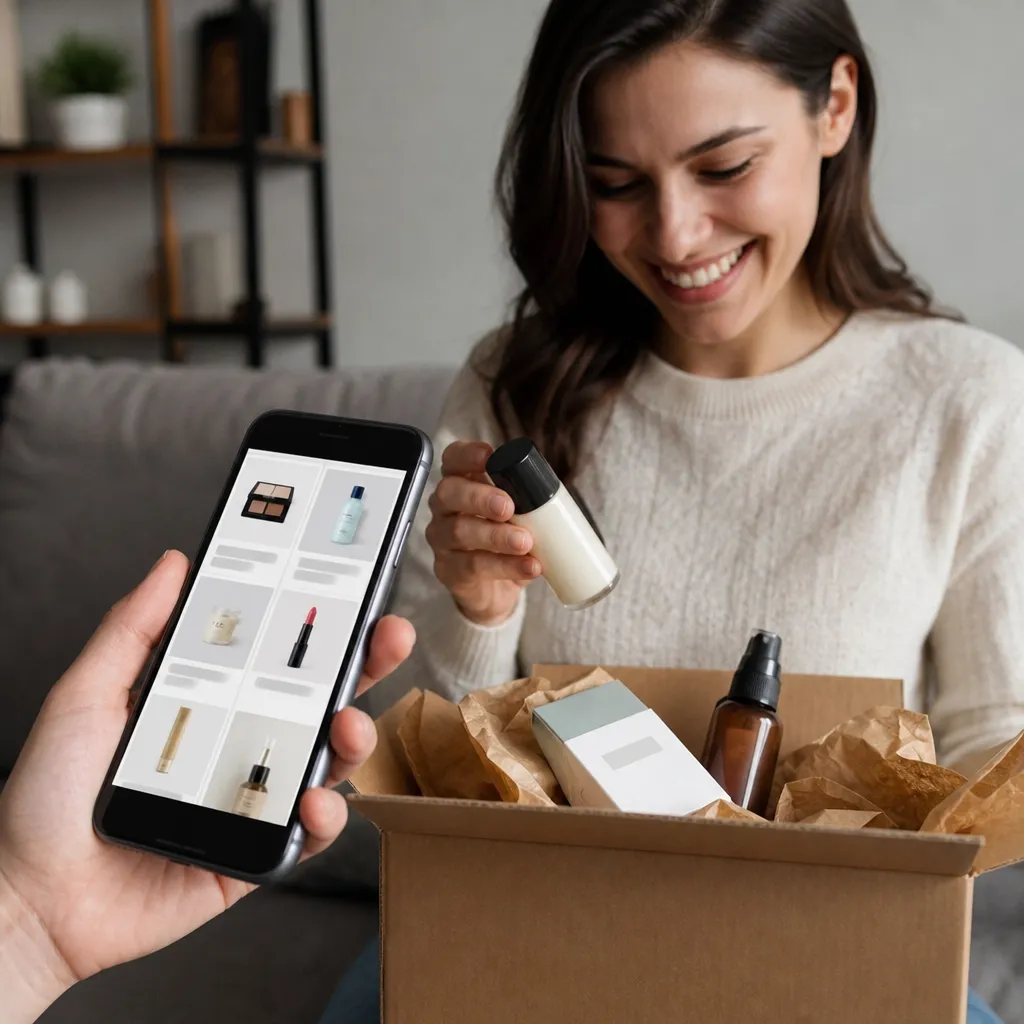
Practical Tips to Maximize Your Opportunities
Your profile is the key to receiving more testing opportunities. Fill each field carefully, be specific about your interests and hobbies. If you like technology, cooking or fashion, mention this explicitly.The more information you share, the easier it is for brands to find a test that fits you perfectly.
Update your profile regularly. As your interests or consumption habits change, reflect this on the platform.If you have just bought a new hobby or changed the way you work, add this information. Platforms often review active user profiles for updates that open up new opportunities.
Answer the initial questionnaires carefully and honestly.Many platforms use a series of preliminary questions to validate your identity and ensure that you are qualified. Think carefully about your answers and do not try to “play the system” by marking options that you think the tests want to hear. Franchise results in better matching with real products.
Be quick to confirm your participation when selected for a test. When a brand identifies that you are a good candidate, it offers the opportunity, usually with a short deadline to confirm. If it takes too long to respond, the vacancy can go to another tester. Activate notifications from the app not to miss these chances.
Complete the tests on time and with quality. If the test asks you to use the product for two weeks and send photos, do just that. Do not try to save time by eliminating steps. Brands track the quality of your work and users who comply with everything impeccably receive invitations for further testing with priority.
Provide detailed and useful feedback. Instead of saying “the product is good”, explain specifically what you thought was good: the quality of the materials, the design, the functionality. Include photos or videos whenever possible. This type of feedback is extremely valuable to brands and increases their chances of being selected again.
Diversify the types of products you test. If you only accept technology tests, you may miss opportunities in other categories. Explore different types of products as you come up. This not only expands your earning possibilities, but also makes the experience more interesting and varied.
Navigating Through Different Types of Tests
There are basically three categories of tests you will find: digital usability tests, physical product tests, and marketing tests. Usability tests involve browsing websites or apps while you verbalize your thoughts in real time. You usually do this by video conferencing, sharing your screen with the researcher, and speaking out loud about what you are thinking when interacting with the interface.
Physical product testing is more tangible. You get a real item, use it for a specified period (usually between one and four weeks), and then submit answers to a detailed questionnaire.Some ask for photos or videos of the product in use. These tests tend to pay better because they require more time and effort on your part.
Marketing tests focus on your reaction to ads, packaging, or campaign materials. You may be shown images or videos and asked to describe your immediate impressions. These tests are usually quick, lasting only 15 to 30 minutes, and often pay less than the other types.
Some apps also offer social testing, where you need to post about the product on social networks and then report the engagement you received. These tests work best if you have a significant audience on social media, but brands also appreciate smaller accounts that have engaged and loyal followers.
Avoiding Traps and Fraud
The product testing industry has attracted some fraudsters trying to take advantage of people’s interest.The first red flag is an app or website that asks you for early money to start participating.You should never pay to be a tester.
Be wary of very good promises to be true. If an application promises 10 thousand reais per month testing products or offers extremely expensive gadgets for free effortlessly, it is probably a trap. Real tests pay modestly and require genuine work on your part.
Apps that ask for excessive access to your personal data are also suspicious.They need basic demographic information and purchase preferences, but should not ask for your full bank password, identity number or credit card details during registration.Sensitive data is requested only at the time of payment, through secure third-party systems.
Checking real app reviews on the App Store is crucial. Read reviews from users who say they have received products and payments. If all reviews are overly positive or there are too many reports of people not getting their earnings, the app is probably not reliable.Search for a balance of opinions, including constructive criticism.
Search the company behind the application. Does it have a professional website?Is there legitimate contact information?The company has been mentioned in media articles?A serious company has a verifiable online presence and maintains transparent communication with users. If you find little information about the company, be wary.
Never click external links sent by email from test platforms. Many phishing schemes pose as legitimate applications. If you receive an email from an app you use, access the platform directly from the app on your iPhone, not the email link.
Read the terms of service before agreeing to any test. Many users skip this part, but it is important to know exactly what is being ordered and what the payment process is. Some tests have strict clauses on confidentiality or intellectual property.Make sure you are comfortable with the terms before participating.
Advanced Strategies for Regular Users
If you plan to participate regularly, consider being enrolled on multiple platforms simultaneously. This significantly increases your chances of receiving consistent opportunities. While you are testing a product on one platform, others may be offering new opportunities.
Keep a file with your past feedbacks.When you build experience by testing, you will have examples of quality reviews that you can use as a reference for future submissions. Note which approaches have generated better brand feedback and replicate these strategies.Consistent quality results in more invitations to premium tests that pay better.
If you have friends interested in participating, some programs offer bonuses by referral. You can receive additional money or credits when your network signs up through your code. However, just refer genuinely interested people: programs track the quality of referrals and people who refer unqualified users may have their bonuses cut off.
Track the seasonality of testing. New product launch periods tend to have more opportunities.School holiday season also often brings more testing. Plan your calendar to be more active in these periods and have your profile information completely updated to capture these waves of opportunities.
Consider specializing in specific niches if possible. If you are a technology expert, your gadget assessment is most valuable to tech brands.If you are a wellness enthusiast, supplement testing or health products may pay well for you.Your genuine expertise is your greatest asset in terms of receiving invitations to premium testing.
Proactively communicate with support if you have questions about a test. If the instructions are unclear or you are unsure if you are doing something correctly, ask. Companies prefer you clarify doubts to submit inappropriate feedback. This type of communication also demonstrates seriousness, increasing your chances of being selected for future tests.