Must-see app with the best retro music for your iPhone
Announcements
Do you seek to revive those classics that have marked generations on your iPhone? Retro music apps win more and more users who want to access hits from past decades with ease and quality. This article presents advanced strategies to make the most of these music platforms and find out how to optimize your listening experience.
Musical nostalgia has become a real trend, and specialized retro apps have emerged to meet this growing demand.You will find everything from classics of the 70s to successes of the 90s, all organized intuitively and affordably directly on your Apple device. Understanding how these tools work and what features they offer makes all the difference to assemble your perfect classical music library.
What makes a retro music app truly a must-see
A genuinely valuable retro music app not only offers a random list of old songs. It provides a curated experience, with clever cataloging that allows you to explore specific decades, classic genres and legendary artists without getting lost in confusing navigation.The audio quality, the amount of tracks available and the thematic organization turn the app from a simple player into a true musical journey through time.
Announcements
You should look for apps that offer themed playlists, historical contexts about the songs and the possibility to create your own custom collections. The best design is not only beautiful, but functional, allowing you to find exactly what you want in a few taps. In addition, synchronization with other services and compatibility with wearable devices significantly elevate the practicality of the experience as a whole.
Advanced strategies to maximize your retro music experience
The first strategy you should adopt is to organize your library by musical era, not just by artist or generic genre. This allows you to create thematic journeys: a week focused on the classics of the 80s, another diving into the soul and funk hits of the 70s. Many applications allow custom tags and annotations, features you can explore to add personal context to each song, such as associated memories or details about music production.
 Music of the 70 80 90
Classification:
”’I think it’S.
4.70
Age Classification:
Classification 14 years
Author:
Creative Sol Apps
Platform:
Android
Price:
Free
▶Download on Google Play
Another efficient strategy is to investigate the algorithms of recommendation of the app and understand how it suggests new tracks. You can use this to your advantage by feeding it with varied taps of the decades that you appreciate most, allowing the system to learn your specific tastes. This makes the suggestions increasingly accurate and relevant, helping you to discover classic songs that you would never find just manually browsing the standard categories.
Synchronization with social networks and sharing platforms also deserves your strategic attention.You can create playlists shared with friends who enjoy retro music, making the experience collaborative and enriched by the preferences of others. This practice not only expands your musical knowledge, but also creates a community around your common interests, enhancing joint discoveries.
Optimizing audio quality on your iPhone
You should check the audio quality settings available within the app, as many offer streaming options in different bitrates. To make the most of retro music recorded in high-quality studios, always choose the maximum resolution available, even if it consumes more mobile data. If you are at home with WiFi, this worry disappears completely, allowing you to enjoy audio practically without compression.
The type of headset you choose also directly impacts the perceived quality of the music.Retro apps work best with headphones that preserve the natural warmth of old recordings, and you can adjust the app equalizer to compensate for features of your hearing device.Many users find that custom equalization settings completely transform how you experience the classic ones on your iPhone.
You should also consider enabling the offline download option when available, especially for your favorite playlists.This ensures that you can listen to retro music in maximum quality, without reliance on mobile data connection speed.Local storage also offers an extra layer of privacy and control over your music library, allowing you to organize everything as you prefer without cloud sync limitations.
Exploring specific decades strategically
The 70s offer an unparalleled collection of funk, soul, progressive rock and disco, genres that you should explore methodically. You can start with the greatest hits and then immerse yourself in more obscure and experimental works by the same artists, creating a comprehensive understanding of the period. This strategic approach helps you to appreciate the creative evolution of each musician and understand the cultural context that shaped those immortal compositions.
The 80s brought revolutionary synthesizers and the rise of new wave, synthesized pop and hair metal, completely distinct genres that you will find widely represented in any reputable retro music app. You can explore from European coldwave to british pop synth-pop, through the American rock of the decade, creating a well-rounded perspective of the most vibrant period of the XX century. The interesting thing is that you will discover how music technology has evolved dramatically in just ten years, something fascinating to follow through the tracks.
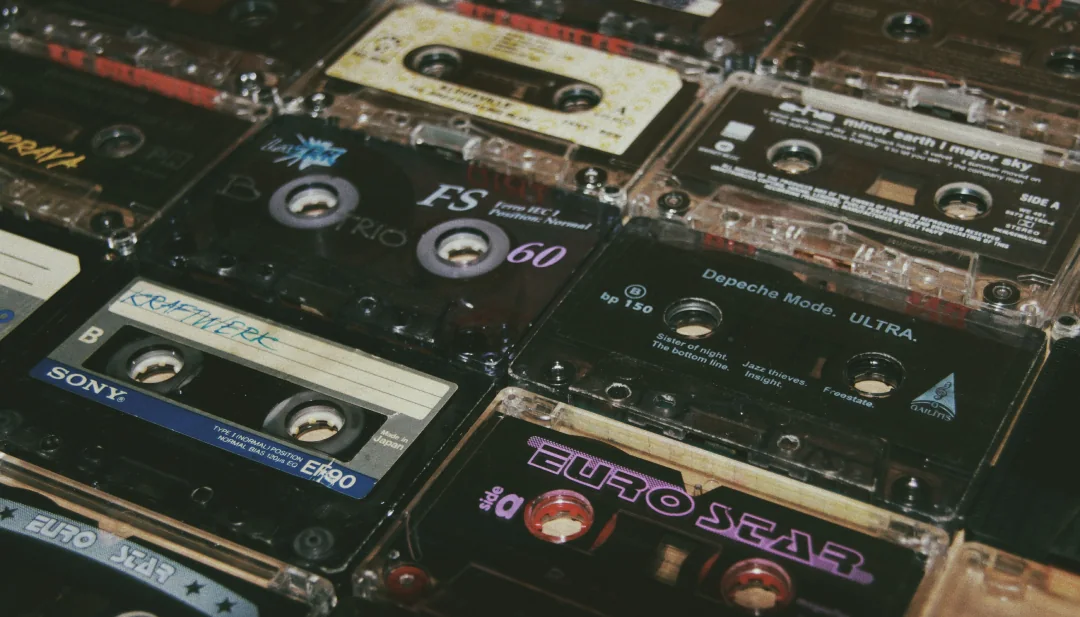
The 90s complete this triad of essential decades, featuring the arrival of grunge, mainstream hip-hop, britpop and the last peak of music videos as art. You will find in many apps a section dedicated to the hits of the 90s that dominated MTV and made history in the music industry. These years represent the transition between analog and digital music, something you will clearly perceive in the quality and type of production as you go through the decades.
Creating a community experience around classical music
Many retro music apps allow you to follow other users, creating a network of appreciators who constantly share discoveries. You can benefit enormously by participating in thematic communities within the app, where people discuss artists, eras and musical trends in depth. This interaction enriches your understanding of music and creates meaningful connections with people who share your passion for classics.
You can also create and share your own themed playlists, perhaps focused on a specific artist, a musical style, or even an emotion you want to express. By doing so, you contribute to the community and receive feedback from other users, helping you refine your musical preferences.This ongoing collaboration transforms the simple act of listening to music into an enriching social experience that transcends the limitations of your iPhone.
Participating in seasonal challenges and events proposed by the app also keeps you engaged and discovering new content.You may be challenged to listen to all the classics of an artist in a week, or explore all the genres of a specific decade, activities that structure your musical journey in a playful and motivating way. These community initiatives turn your iPhone into a portal for a collective experience of musical appreciation.
Technical optimizations to improve performance
You should regularly clear the app cache to ensure that it works smoothly and responsively on your iPhone. The accumulation of temporary data can slow down browsing and music playback, something easily resolved through the device storage settings. A monthly cache wipe keeps the app running efficiently close to the original, providing you with a consistently fast and enjoyable experience.
Regular application updating is another priority that you cannot overlook, as developers constantly optimize performance, add new content, and fix bugs that affect the overall experience. You should enable automatic updates for music applications if possible, ensuring that you are always enjoying the latest, most efficient version. This significantly reduces technical issues and gives you access to new functionality as soon as it becomes available.
You should also optimize your iPhone’s network settings to ensure stable connections to music streaming. Disabling WiFi occasionally can help you understand which areas of your home have inadequate mobile data reception, allowing you to better plan where you’ll listen to your favorite classic songs.Some people even invest in WiFi mesh to ensure seamless coverage throughout your home, turning your home into an ideal listening studio for retro music.
Discovering classic artists beyond commercial successes
You should not limit yourself to the biggest charting hits of each decade, as many of the most important artists have created deep works that have not reached the top of the charts. Investigating full discographies allows you to appreciate the integral artistic vision of a musician, understanding his creative evolution over the years. Many applications organized by discography facilitate just that, offering you a clear view of each album that an artist has released during his career.
You can explore collaborations and side works by famous artists, often finding musical gems that the general public is unaware of. These tangential listening significantly expands your understanding of the music scene of the time and reveals cross-influences that shaped the industry.You will eventually discover that many of the hits you know were built on foundations created in studios with “minor” artists who later became legendary.
You should also pay attention to covers, remixes and alternate versions that many apps include in their retro music libraries. These reinterpretations offer fresh perspectives on familiar classics, showing how later musicians reinterpreted the original works.This comparative exploration helps you develop a keener ear for musical detail and appreciate the timelessness of great compositions that remain relevant decades after their original creation.