Understanding How Secret Voice Messages Work
Announcements
Secret voice messages sound like science fiction, but the reality is much simpler and more accessible than you might think. They work on several apps you probably already use and can offer extra privacy for your conversations.
continue on to the full guide:
 FREE GUIDE
Secret Voice Messages: A Complete Guide to How They Work
✓Free
✓Step by step
✓Step by step
VIEW APP¹
📖 Reading 2 min · at no cost
There are many myths about secret voice messages circulating around, and it’s time to separate what’s true from what’s simply unfounded rumor.The technology behind them is quite interesting and doesn’t require advanced technical knowledge to understand.
Announcements
What Are Secret Voice Messages?
Secret voice messages are audios that disappear after being heard, or that require special permissions to be accessed. Contrary to popular myth, they are not encrypted differently from other messages, but rather programmed to self-destruct after viewing or to leave minimal records on the device. Some applications allow you to send audios that only the recipient can hear once, while others offer messages with self-destruct timer.
The big difference is in the disappearing functionality, not in the way the audio is transmitted. When you send a conventional voice message, it gets stored in the chat history indefinitely unless you delete it manually. With the secret messages, the application manages this process automatically, deleting the file after the exposure period ends.
Myth: Secret Voice Messages Are Completely Invisible
Many people believe that secret voice messages leave no trace, but this is a dangerous half-truth.The record that the message was sent and heard remains in the conversation history, even if the audio itself is deleted. The other person can capture the screen or even record the audio while it is being played, creating a permanent copy without your permission.
The Telegram app, for example, offers messages that disappear, but still makes it clear that a message has been viewed. If you are relying on total invisibility, you will be disappointed. Technology cannot prevent someone from recording audio while you listen to it or taking a print of the conversation before self-destruction.It is important to have this notion of reality before blindly relying on this functionality.
Truth: Encryption Keeps Your Messages Safe During Transmission
Here comes the real, reliable part of the story: end-to-end encryption ensures that your voice message travels protected from the person sending to the person receiving it. Apps like WhatsApp use end-to-end encryption by default on all messages, including audios, which means that not even company servers can access the content while it is in transit.
This protection is real, verifiable and offers a genuine level of security during transmission. Nobody intercepting your internet connection will be able to hear the audio you are sending. The truth is that encryption works so well that even companies like WhatsApp can not access the content of messages without decrypting, which is a clear advantage for your privacy.
How Secret Voice Messages Work in Practice
The process is very straightforward: you record an audio, the application encrypts it, transmits it to the server and then to the recipient through a secure connection. When the other person receives the message, it is automatically decrypted and played back on your device. If the message is set to disappear, the timer starts counting as soon as the audio is opened or during playback, depending on the configuration of the app.
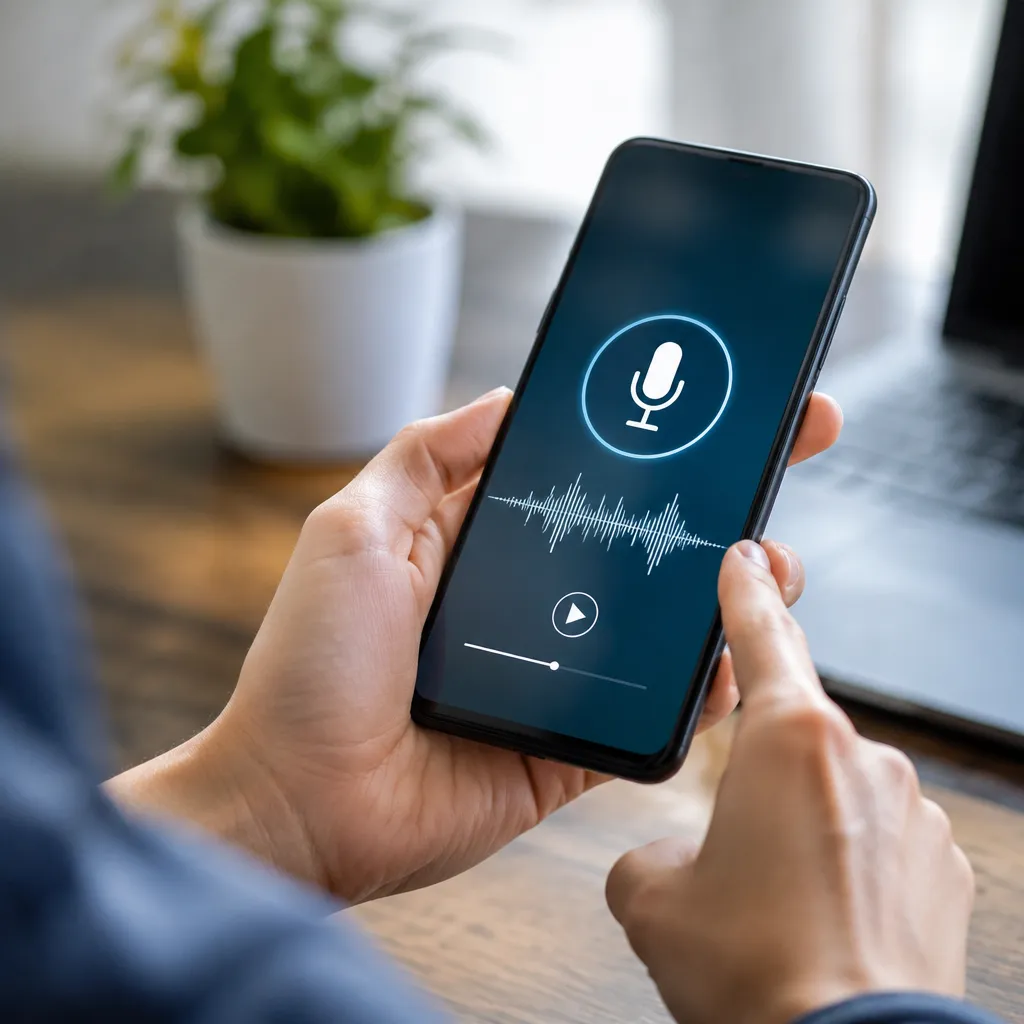
Some apps, like Signal, offer the option of messages that disappear after a customizable period, which you can set between seconds and days. Telegram allows you to mark messages for self-destruction, but the feature is more limited. The key is that the management is done by the app on your device, not by magic or futuristic technology, only by simple programming that deletes files after predefined criteria are met.
Myth: Secret Voice Messages Ensure Total Anonymity
This is one of the most dangerous beliefs on the subject: the idea that secret voice messages make you anonymous or untraceable.The truth is that the sender of the message is always identifiable on the other side, unless you use anonymous accounts.The recipient knows exactly who sent that audio, and if he wants, can share or report the conversation to the appropriate authorities.
Real anonymity would require multiple layers of protection, such as using VPN, fake accounts, and additional tools beyond the app. Secret voice messages alone offer none of this. If you are committing something illegal or harmful and think you will be protected only by using disappearing audios, you are seriously deceiving yourself. Authorities can track criminal activity even with this type of message.
Truth: Privacy Really Depend on Your Behavior
The most important factor in the privacy of secret voice messages is how you use them and who you trust. Even if the technology is flawless, if you talk to someone who can record, share or report your message, your privacy is compromised. The best protection is not the self-destruction of audio, but the careful choice of who you communicate with.
You may have the best encryption in the world, but if you trust a person who does not deserve it, all technological protection is useless. Therefore, understanding how these messages work is important less to ensure absolute secrecy and more to make conscious decisions about how to communicate. Use them when appropriate, but do not see them as a magical shield against all the consequences of your actions.
Which App Offers the Best Options?
Signal is widely considered the safest for messages that disappear, with granular control over how long audio is visible and unquestionable encryption.WhatsApp offers voice messages with strong encryption, but the self-destruct feature is more generic and applies to the whole chat rather than individual messages.Telegram works well for many users, but uses different encryption that is not end-to-end by default in all conversations.
The choice depends on your specific goals and who you want to talk to. If your contacts are on WhatsApp, it makes sense to use it right there with encrypted messages.If you want maximum control over self-destruction and privacy, Signal is the most robust choice.None of these platforms are perfect, but they all offer a solid level of protection while streaming your audios.