App to Listen to Police Radio in Real Time on Mobile
Announcements
Listening to real-time police radio on your mobile phone is something totally possible and accessible to anyone. With the right apps, you can follow the broadcasts of civil, military and federal police quickly and discreetly.
This complete guide shows how to listen to police radio on mobile, which apps work best, how to set everything right and answers the most frequent questions of those who want to start this practice right now.
What is Police Radio and How It Works
Police radio is the communication system used by public security corporations to coordinate operations, report on occurrences and maintain contact between agents in the field. These transmissions were for a long time restricted only to security professionals, but with the evolution of technology, the general public can access these frequencies through specific applications on the mobile phone.
Announcements
The operation is relatively simple: police radio frequencies are transmitted through waves, and applications capture these waves through the internet. Your mobile connects to a server that maintains the transmission of frequencies, allowing you to listen in real time to what is happening on the streets of your region. The transmission happens 24 hours a day, every day, without interruption.
There are different frequencies for different security agencies, and each region of Brazil has its own settings.The Military Police uses certain frequencies, the Civil Police others, the Municipal Guard also has yours, and so on. When you use a police radio application, you can usually choose which frequency you want to listen to as needed.
 Radio Scanner – Police Scanner
Classification:
^^^^^^^^^^^^^^^^^^^^^^^”’
4.23
Age Classification:
Free Classification
Author:
GordonEdwards.net LLC
Platform:
Android
Price:
Free
▶Download on Google Play
Why Listen to Police Radio on Mobile
The reasons for listening to police radio are as varied as possible. Many people use to track safety in their region, becoming aware of robberies, accidents and occurrences near their home or workplace. Professionals such as taxi drivers, app drivers and couriers use to stay informed and avoid dangerous areas while working.
Journalists and content producers use the broadcasts to obtain information about occurrences in real time and produce more accurate and up-to-date stories. Researchers and public security scholars also accompany to collect data on police activity in their cities. Even curious and fans of police documentaries use to satisfy interest in how police work works.
The great advantage is that you get this information for free and instant, without having to wait for a news or checking news sites constantly. Everything happens in real time, as events occur on the streets.
Top Apps for Listening to Police Radio
There are several applications available in the app repositories that allow you to listen to police radio. Each of them offers slightly different features, but all have the same purpose: to connect you to the police frequencies of your region. Knowing the available options helps you choose which one best suits what you are looking for.
Broadcastify is one of the most popular and offers access to thousands of radio frequencies from security agencies around the world, including Brazil.It allows you to browse through different cities and states by selecting which frequency you want to listen. The interface is very intuitive and works on both iPhone and Android. The application offers a free version with advertisements and a premium version without ads with some extra features.
5-0 Radio is another application well known among those who like to follow police radio. It concentrates frequencies mainly police, fire and emergency services of the United States, but also offers access to some Brazilian frequencies. The interface is simple and works well on Android and iOS devices. This application also offers free and paid version.
Radio Garden is a more comprehensive option that is not limited to police radio, but offers access to thousands of radio stations from around the world, including police frequencies from various regions of Brazil. The interface is visual and interesting, allowing you to browse the globe and select frequencies from different cities.It works perfectly on mobile and the free version offers full access to broadcasts.
Scanner Radio is another alternative that offers access to various security frequencies in Brazil and abroad. It allows you to save favorites and create personalized lists of frequencies that you want to constantly track. The app has a clear interface and is quite responsive on mobile devices. There is free version with advertising and paid version.
How to Set Up the App on Your Mobile Phone
The first step to start listening to police radio is to download one of the apps mentioned in the app store of your phone. If you have an Android, you should go to the Google Play Store, search for the name of the app you want to use and click “Install”. If you have an iPhone, you should go to the Apple App Store and do the same process.
After installing the application, open it and let it load completely. The first time you open it can take a few seconds while the app synchronizes the data of the available frequencies. Most applications will show you a list of countries or regions to select. Choose “Brazil” and then select the state and city where you want to listen to police radio.
After selecting your location, the application will show the frequencies available in that region. You will see names such as “Military Police”, “Civil Police”, “Municipal Guard” or similar, depending on which agencies broadcast in that place. Tap on any frequency to start listening. Some applications allow you to add these frequencies to favorites for quick access in the future.
Make sure your mobile phone is connected to the internet via Wi-Fi or mobile data as it is necessary to have connection to transmit the audio. The audio quality will depend on the speed of your internet connection, so a faster connection usually results in clearer audio. Adjust the volume of your mobile phone to listen better and you are already ready to track the transmissions.
Main Police Frequencies in Brazil
Brazil has different frequencies for different security agencies in each state and municipality. The Military Police of Sao Paulo, for example, operates in specific frequencies different from the Military Police of Rio de Janeiro. Knowing the main frequencies of its region facilitates the search in the applications.
In most Brazilian states, the Military Police operates at frequencies between 150 MHz and 165 MHz. These are VHF frequencies that serve for short-distance communication between field agents and operation centers.The Civil Police also operationalizes their frequencies in this band in many states. The Municipal Guard generally uses different frequencies, often in still distinct bands.
The Fire Department has its own frequencies, usually segregated from police.Many apps allow you to also listen to fire brigades if you are interested in tracking occurrences such as fires and rescues.The exact frequencies vary greatly from city to city, which is why police radio apps need to have this database updated to work properly.
Frequent Questions About Listening to Police Radio on Mobile
One of the most common questions is whether it is legal to listen to police radio. The answer is yes, it is totally legal for the average citizen to listen to publicly available police radio broadcasts. Security agencies broadcast on open frequencies precisely to maintain transparency with the population and allow journalists, researchers and interested citizens to follow police activities.
Another frequent doubt concerns the confidentiality of the information transmitted. It is true that police radio communications are not encrypted, which means that anyone with access to the frequency can hear them. This is intentional and is part of the transparency of the public service. However, critical information about special operations is often not transmitted by open radio precisely for reasons of secrecy.
Many users ask if the application consumes a lot of internet data. The answer depends on the quality of the audio chosen in the application. Generally, keeping a radio broadcast open all day consumes between 300 MB to 1 GB of data, depending on whether you are constantly listening or leaving in the background. It is recommended to use Wi-Fi when possible to save your data plan.
People also question whether they can listen to police radio from other cities besides yours. The answer is yes, most applications allow you to navigate between different cities and states of Brazil and even from other countries. You can easily switch from a frequency from Sao Paulo to one of Rio de Janeiro or any other location just by touching the desired frequency.
There are still doubts about the latency or delay in transmissions. It is true that there is a small delay, usually between a few seconds to a few minutes, depending on the server used by the application and the quality of your internet connection. This delay does not significantly affect the user experience, because still you are informed about the events in a practically real time way.
Some users ask if they can record police radio broadcasts. While technically possible in some applications, laws on recording communications vary by locality. It is important to check local legislation before recording any broadcast and respect possible legal restrictions in your region.
Most apps work on both Android and iPhone, although some older versions of operating systems may not be supported. Make sure your phone meets the minimum system requirements stated in the app before downloading.
Users also have questions about privacy when using these applications. Police radio applications work through streaming audio, just like any other online radio app.Your privacy is as protected as when using any other streaming service.The developers of the apps do not have access to your personal calls or messages.
A very common question concerns the understanding of the acronyms and terms used in police transmissions. Terms such as “10-4” (message received), “10-8” (in service) and many others are codes used by police for quick communication. There are online guides and even YouTube channels dedicated to explaining these codes, which can help to better understand the transmissions.
Some people question whether the audio quality is good in applications. The quality varies depending on the application and the quality of the server, but usually the audios are clear enough to understand the communications. The speed of your internet connection also greatly influences the final quality of the audio received.
Practical Tips to Make the Most of
To better enjoy the experience of listening to police radio on mobile, start by creating a list of favorites with the frequencies you follow most. Most applications allow you to do this, and so you save time instead of looking for the frequency whenever you want to listen. If you work in a specific region, add the frequencies of that area to favorites for quick access.
Use the app in the background while doing other activities on your phone. Most apps allow you to minimize the screen and keep listening while using the browser, social networks or other apps. This is particularly useful if you want to keep track while working or performing other day-to-day tasks. Just make sure to keep the screen unlocked or set the app to continue working even when the screen is locked.
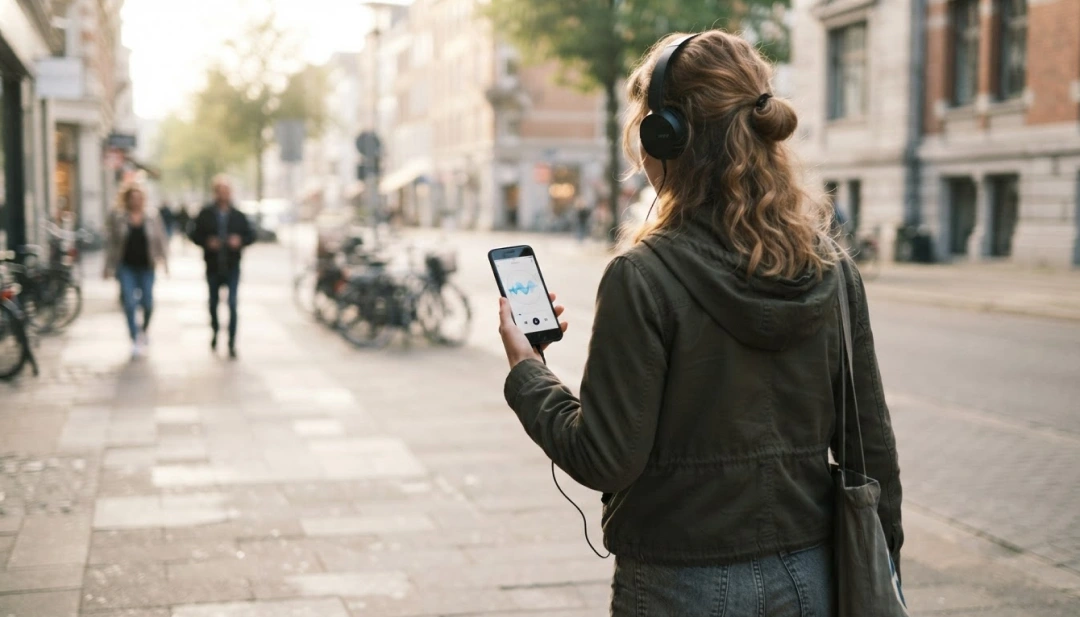
If you are in a location with available Wi-Fi, always prefer to connect to the network instead of using mobile data. In addition to saving your plan, the Wi-Fi connection is usually more stable and offers better audio quality.If you spend a lot of time listening to police radio, a Wi-Fi connection makes a big difference in the overall experience.
Explore the different frequencies available in your region to better understand how the police communication system works. Sometimes you can hear the same occurrence being reported at different frequencies, which offers different perspectives on the same event.
If you’re interested in tracking specific occurrences, consider enabling app notifications if it offers this functionality. Some apps alert you when certain types of incidents occur in your region, preventing you from having to keep the app open at all times.
Keep the app up to date whenever updates are available. Updates often bring new frequencies, performance improvements, and bug fixes. An outdated app may lose access to frequencies or function unstable. Set up your phone to update apps automatically when connected to Wi-Fi.
Differences Between Apps and How to Choose the Best
Each police radio application has its features, advantages and disadvantages. Broadcastify, for example, offers the largest frequency database in the world, including many Brazilian cities, but the interface may seem a bit polluted for beginners.It is ideal if you want maximum flexibility and access to many different frequencies.
Radio Garden offers a more pleasant and visual interface, with an interactive map of the globe. It is more intuitive and easy to navigate, being an excellent option for those who prefer something more visually appealing. However, the amount of frequencies may be lower in some regions compared to other apps.
Radio Scanner is widely used by professionals and enthusiasts because it offers more advanced features such as creating frequency groups and custom filters. If you want to track multiple frequencies or regions, this app gives you more control over how to organize your favorites.
5-0 Radio has a very active community and offers quick access to more popular frequencies. If you are looking for something simple and straightforward, this is a good starting point.The interface is minimalist and loads fast, but may offer less frequencies in some regions of Brazil.
To choose the best application for you, consider your goals. If you want maximum number of frequencies and do not care about a complex interface, choose Broadcastify. If you value ease of use and pleasant design, Radio Garden is the option. If you work professionally with it, Scanner Radio offers more tools. Test some apps and see which one you are most comfortable using.
How to Understand Police Radio Broadcasts
One of the biggest difficulties for beginners is understanding what is being transmitted on police frequencies. Communications use technical terms, abbreviations and code that may seem like a foreign language to those unfamiliar.However, with a little attention and research, you begin to understand the patterns quickly.
Each security corporation has its own protocols and communication codes.The Military Police uses different terms from the Civil Police, which uses different terms from the Fire Department.However, there are some common elements: you usually hear the unit identifier, the approximate location of the incident, the type of occurrence being handled and the action being taken.
To make it easier to understand, try to keep a paper with notes of the transmissions that interest you most. Write the type of occurrence, location and result. After a few hours of listening, you will begin to recognize patterns and better understand how communications work. Many users create personal wikis with the translation of local police codes.
Watching videos and documentaries about police while listening to the broadcasts also helps a lot in understanding. You can correlate what you are seeing in a video with the sounds you are listening to live, making it easier to learn. There are many YouTube channels dedicated to explaining how police broadcasts work and translating the codes used.
Legal and Security Considerations
While it is legal to listen to open police radio, there are some important considerations to keep in mind. First, never use the information obtained through the transmissions for illegal purposes. Sharing information about police operations that are still ongoing can harm police actions or put agents at risk.
If you are a journalist or content producer, always check the information through official sources before publishing any story based on police radio broadcasts. Communications may contain errors, misunderstandings or incomplete information. The responsibility is always on the content producer to verify the veracity before disclosing.
Keep your personal information safe when using these apps. Just like any other app, police radio apps may have privacy policies that you should review.Do not share your precise location or other personal information unnecessarily while using the app.
If you hear broadcasts that mention your own street or neighborhood, avoid sharing this information in real time on social networks. This can alert criminals about the police presence and harm operations.You can talk about what you heard after the situation has been resolved, but in real time it is better to keep discretion.
Respect the privacy of others even when you hear personal information in police broadcasts. Details about victims, suspects and particular situations are shared over open radio for police coordination purposes, not for the public to disclose the identity of the people involved.
Benefits of Tracking Police Radio in Real Time
Being informed about what happens on the streets of your city offers several practical benefits for your daily life.You can avoid areas where there are ongoing incidents, preventing possible problems when returning home or during your commutes. If you work as a driver or deliveryman, this information is especially valuable to better script your activities.
Security professionals, such as real estate agents, security guards and building managers, can anticipate problems in their areas of expertise. If you know that there is instability in a region, you can alert customers and take additional precautions. This information offers a competitive advantage and allows you to offer a better service to your customers.
For researchers, academics and content producers, having direct access to police communications offers valuable insights into crime patterns, police response and security dynamics across different areas.
Following police radio also offers a sense of community with others interested in public safety and real-time events. Many users share interesting findings in forums and online discussion groups, creating a community of enthusiasts and professionals who help each other better understand broadcasts.
For urban geographers and city planners, this information helps to better understand how security is distributed across different areas and which regions receive the most attention from authorities.
Trends and Future of Police Radio Listening
Police radio technology continues to evolve, and more and more applications and services offer new functionality. Artificial intelligence and machine learning are beginning to be implemented to help categorize and summarize broadcasts, offering users only the most relevant events.
Some newer apps start offering integration features with map services, showing the approximate location of incidents in real time. This gives you a much clearer view of what is happening in your region and allows you to navigate more accurately to avoid problem areas.
Encryption of police communications is another trend that affects the availability of open transmissions.Some Brazilian states and federal agencies are already beginning to implement encrypted systems for greater security in operations.This reduces the amount of open frequencies available, but still leaves many transmissions accessible to the public.
Apps are also becoming more specialized, with dedicated versions for different professions.Cab drivers, private security, volunteer firefighters and even restaurant owners start using custom apps that offer information more relevant to their specific areas of interest.
Augmented reality is another technology that could revolutionize the way we track police radio on mobile. Imagine using your cell phone camera on a street and seeing information about recent incidents or in real time overlapping your field of view. This technology is not yet widely adopted, but it is a real possibility for the near future.
Integration with smart speakers and voice assistants offers another way to track transmissions without having to use your hands. You can ask your virtual assistant to play a specific frequency while driving or performing other activities. Some applications are already starting to offer integration with these devices.
Listening to police radio on mobile has become a common and accessible activity for many people throughout Brazil. With the right applications and basic understanding of how broadcasts work, you can follow events in real time, make more informed decisions about their safety and always be connected with what happens in your city. The possibilities continue to grow as technology advances, making this experience increasingly interesting and functional for users of all kinds.