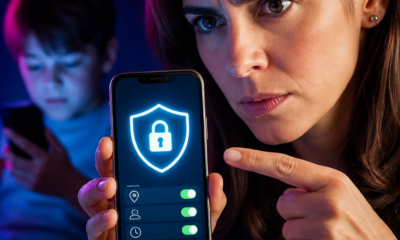
Learn How to Track Your Kids' Cell Phone Use
Announcements
Monitoring the cell phone use of children is a legitimate concern of modern parents.With the increasing amount of online content and digital risks, knowing how your children use technology has become essential to protect them.
Announcements
There are several practical and effective ways to track the digital activity of children and adolescents.The following are proven strategies, available tools and answers to the most common questions on this important topic for family safety.
Why Keeping Track of Cell Phone Use is Important
Mobile offers incredible opportunities for learning and communication, but it also exposes children to real risks. Cyberbullying, contact with strangers, inappropriate content and digital dependence are concerns that every parent faces today.
In addition, monitoring teaches children digital responsibility from an early age. Children who know they are being watched tend to use technology more consciously and safely. This balance between trust and vigilance is critical to educating digital natives in a healthy way.
Native Operating System Tools
Both Android and iOS offer native parental control features without the need for additional apps. On iOS, the Usage Time feature lets you set time limits, block specific apps, and control access to content. On Android, Google Family Link offers similar features such as managing app permissions, viewing location, and controlling screen time.
These tools have the advantage of being free and integrated into the system. You can set specific times when the phone will work, block content categories and receive alerts about use. The problem is that they offer basic functionality, sufficient for general control, but limited if you need more detailed monitoring.
Dedicated Parental Control Applications
When you want more control, specialized applications come into action with advanced features. Some allow you to view browsing history, monitor text messages, track location in real time and even block specific numbers. These platforms work by installing an app on your child’s mobile and another on your device for remote management.
The advantage is the flexibility and amount of data available for analysis.You can get a complete view of the digital behavior of the child. The disadvantage is that many charge monthly subscriptions and require a certain technical configuration to function properly.In addition, it is important to be transparent about the use of this technology, explaining to the child that it is monitoring to protect it.
Communication and Transparency with Children
It is not enough just to install monitoring tools without talking about it. You should explain to the children why you are following the use of the cell phone, making it clear that it is not a lack of trust, but protection. Children and adolescents understand better when they understand the reason behind the rules, becoming more cooperative in the process.
Establish clear agreements on what will be monitored, what times the phone can be used and which sites or apps are prohibited. When there is agreement between the parties, monitoring works best because it is not perceived as invasive, but as a rule established jointly.
Frequent Questions About Cell Phone Monitoring
A common question is whether monitoring the cell phone violates the privacy of the child. The answer depends on age: younger children are entitled to less privacy when it comes to security. Teens deserve more respect, but you can still and should know what they do online. The ideal is to find the balance between privacy and protection as age advances.
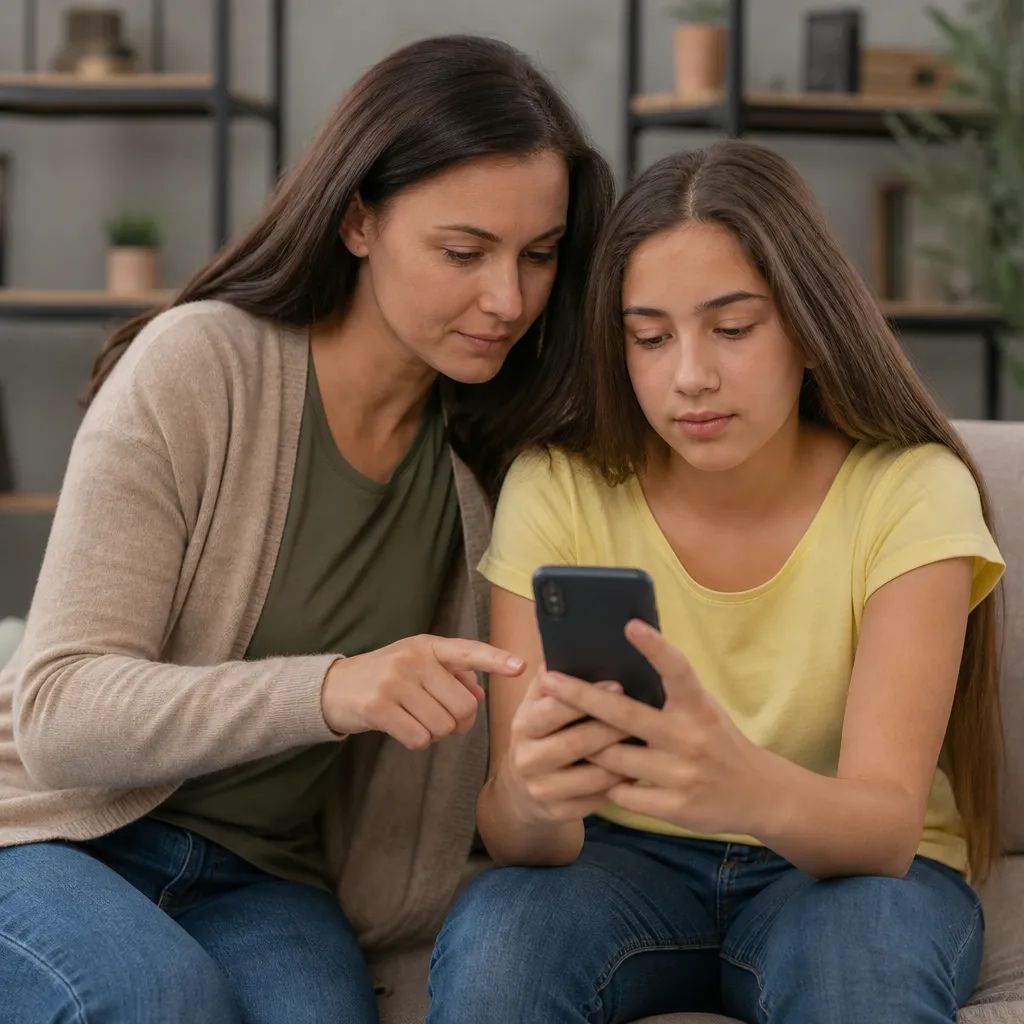
Another frequent question is how the child discovers monitoring. If this happens, maintain honesty and reaffirm that it is a measure of protection, not of distrust. Many parents fear that the child will disable monitoring or use another cell phone. This is possible, so open communication is essential to prevent the child from circumventing their security measures.
Questions also arise about which tool to choose from among the many available. The best depends on your specific needs: if you just want to control screen time, the native tools are enough; if you need to monitor content and location, dedicated applications are needed. Evaluate what is really important for your family before choosing.
Establishing Practical and Realistic Rules
Simply monitoring without establishing clear rules is ineffective. You should set specific times when the cell phone can be used, prohibited place to use (such as during meals), and maximum screen time per day. These limitations should be age-appropriate, that is, more restrictive for young children and gradually less rigid as they grow.
Consider also banning certain apps or sites that are known to pose a risk. Social networks with private chat, video platforms without parental filter, and games with interaction with strangers deserve special attention.When you set rules early, children better accept these limitations as a normal part of life, not as unfair restriction.
Monitoring Evolution As Age Advances
The level of monitoring should evolve along with the age and maturity of the child. An 8-year-old child needs much stricter control than a 15-year-old. As they grow up, you should gradually relax the restrictions, allowing more autonomy while maintaining certain safety limits.
Gradually, you should involve the child in deciding what limitations remain necessary. Doing a biannual or annual review of the rules and adjusting them together with the teenager demonstrates respect and trust. This collaborative approach often works better than imposing unexplained restrictions, reducing the desire to circumvent them.
Warning Signs Demanding Immediate Action
Certain digital behaviors indicate that it is time to intensify monitoring or seek professional help. If the child spends more than 4 hours a day on the cell phone, has sudden changes in mood related to use, is socially isolated or shows signs of cyberbullying, the situation requires serious intervention. These may indicate dependence on technology or exposure to harmful content.
Also be aware of conversations with unknown people, excessive sharing of personal information or secret behavior with the device. These signs suggest that something may be wrong. When identifying any of these behaviors, resist the urge to just punish. Try to talk, understand what is happening and, if necessary, seek help from a psychologist or specialist in child digital health.
Tracking your kids’ cell phone use is an ongoing process that requires constant adjustments. Combining technical tools with open communication and realistic rules, you can protect your kids from digital risks while maintaining a healthy trust relationship.The ultimate goal is to prepare kids and teens to use technology responsibly and safely, enabling them to make good decisions even when you are not around.