
How to Get Free Products to Test
Announcements
Are you tired of spending money on products that may not work well for you? Are there advanced and proven strategies to get free products intended for testing, without deceptions or pitfalls.In this article, you will learn how to access real opportunities to receive items for evaluation.
Announcements
The product testing industry moves billions of dollars globally, with companies willing to ship their items for free to qualified consumers. You can be part of this cycle if you know exactly where to look and how to position yourself strategically.The approaches you will discover here go beyond the basic techniques found in generic tutorials, focusing on optimizations that really work.
Understanding the Product Testing Market
Companies need authentic feedback before launching products to market. This process, called beta testing or consumer testing, involves distributing items to real people who use the product and share their experiences.Brands understand that a genuine customer who has tested the product offers a much more valuable testimonial than any paid ad.You, as a tester, provide crucial data that helps companies refine their products before the official launch.
Big brands like electronics, cosmetics, food and wearable technology constantly seek testers willing to invest time analyzing their products.The more specific your consumer profile and the more detailed your feedback, the more opportunities you will receive. This means that your reputation as a tester is a valuable asset that grows over time.
Specialized Platforms in Tester Recruitment
There are platforms dedicated exclusively to connecting brands with consumers willing to test products for free. These platforms act as intermediaries, verifying the identity of testers and ensuring that companies receive feedback from real people. You will need to register, complete your profile in detail and allow the algorithms of the platform to match your interests and the opportunities available.
 SHEIN – Online Shopping
Classification:
”’I think it’S.
4.85
Age Classification:
Classification 14 years
Author:
PTE Roadget Business LTD.
Platform:
Android
Price:
Free
▶Download on Google Play
Platforms like “BzzAgent”, “Influenster” and “Toluna” work by sending selected products to qualified testers before launch. These organizations have strict selection processes, so you will not automatically receive all available products. The key is in keeping your profile up-to-date, responding to surveys with honesty and consistency, and demonstrating that you are a reliable tester. The more you actively participate, the more unique products you will have access to.
An advanced strategy that works on these platforms is to segment your interests in a specific way. Instead of marking “everything” as interest, you should be selective and honest about which categories really appeal to you. This exponentially increases your chances of selection, as algorithms identify you as a relevant tester for that specific category. Companies prefer testers genuinely interested in their products than random people trying to earn free items.
Leveraging Social Networks and Online Communities
Social networks have become powerful channels for brands to locate testers. Many companies launch campaigns on Instagram, TikTok and Facebook offering free products in exchange for honest reviews and user-generated content. You do not have to be a great influencer to participate in these opportunities. Emerging brands especially seek authenticity over mass followers.
Creating a coherent profile on social platforms increases your chances significantly. Whether you enjoy beauty, personal development or technology, keeping your profile aligned with these interests will signal to brands that you are a relevant audience. Companies analyze the feed, post history and engagement to identify potential testers. Genuinely commenting on brand posts, participating in their communities and showing consistent interest in their products creates a history that companies consult before submitting items for testing.
A crucial optimization that many people ignore is to maintain a transparent history of previous reviews.If you have already received free products and published honest reviews (positive or negative), this proves your credibility. Brands trust people who demonstrate integrity by giving critical feedback, not adulators who praise everything.
Direct Brand Sample Programs
Many companies have their own sample distribution programs, without going through intermediaries. These programs are usually found on corporate websites, in tabs such as “Participate”, “Free Tests” or “Sample Program”. Large manufacturers of cosmetics, personal care products and food brands often offer these opportunities directly to interested consumers.
To access these programs strategically, you must be subscribed to newsletters from the brands that interest you. Companies advertise exclusive opportunities first for their registered emails, offering competitive advantage to subscribers. Keep an organized list of brands of your interest and regularly check their websites for new campaigns. Some programs have limited vacancies and fill up in hours, so constantly monitoring makes a real difference.
Large corporations like Nestle, L’Oreal and Samsung develop community programs where qualified members receive products before launch. These programs are often more selective, but offer higher quality products and larger quantities.
Profile Optimization to Increase Approvals
Your profile on testing platforms is essentially your resume as a tester. Most beginners fill in generic and minimally mandatory information, which drastically reduces your chances of selection. You should fill your profile with specific information, detailed hobbies, consumption preferences and complete demographics. The more data you provide, the more precisely the algorithms associate it with relevant products.
Completing optional fields is where true optimization happens.If the platform offers field to describe your routine, your lifestyle, your favorite purchases or family members, fill everything with real details. Companies use this information to identify optimal user profiles for their products. A mother who frequently buys children’s products, for example, will be prioritized for testing diapers or toys. A technology enthusiast will be selected for electronic gadgets. Its veracity and specificity determine its approval rate.
Updating your profile regularly demonstrates ongoing engagement.Every three months, review your information and add new data about changes in your life, emerging interests or categories you have started exploring. Platforms often prioritize active users in maintaining their profiles, interpreting this as a sign of genuine commitment to the program. This simple practice, ignored by most, can increase your approvals by up to 40%.
Answering Surveys and Questionnaires Strategically
Many testing platforms use initial surveys to qualify you for specific opportunities. These surveys are not just random data collection. Responding to them carefully, honestly and in detail is critical to being selected for later products. Companies use these responses to create a psychographic and behavioral profile of you.
When answering surveys, take time to reflect on your answers genuinely. If you ask about your purchase history in a category, be specific often, preferred brands and reasons. If you ask about your values as a consumer, explain your principles and what you are looking for in products. Companies seek consumers with clear and thoughtful criteria, not random decisions. These detailed answers create a profile that stays on the platform and connects you with relevant future products.
One optimization detail that works is to be consistent across different surveys. If in a week you answered being very health and nutrition conscious, do not answer the next that you do not care about food ingredients. Platforms track consistency as an indicator of reliability.Inconsistent profiles are often prioritized in selection algorithms, reducing your future testing opportunities.
Building Credibility as a Reviewer
Your reputation as a tester is your greatest asset in this market.Every feedback you provide, every review you write, and every review you share builds or diminishes your credibility. Companies consult previous reviewer histories of testers to decide whether to submit high-value products.
Providing honest and detailed feedback is non-negotiable. If a product did not work well, communicate this clearly with specific examples of observed failures. If it works better than expected, describe exactly why it exceeded your expectations. Companies value honesty much more than adulation. A well-explained constructive criticism shows that you have actually tested the product and not just won something free without serious analysis.
Documenting your tests through photos or videos, when possible and allowed, amplifies your credibility. Showing you using the product, demonstrating results and sharing practical experiences provides genuine test proof.This visual documentation not only pleases companies, but also creates history that you can reference in future test requests.Your portfolio of previous tests, properly documented, becomes your biggest argument for approval in new products.
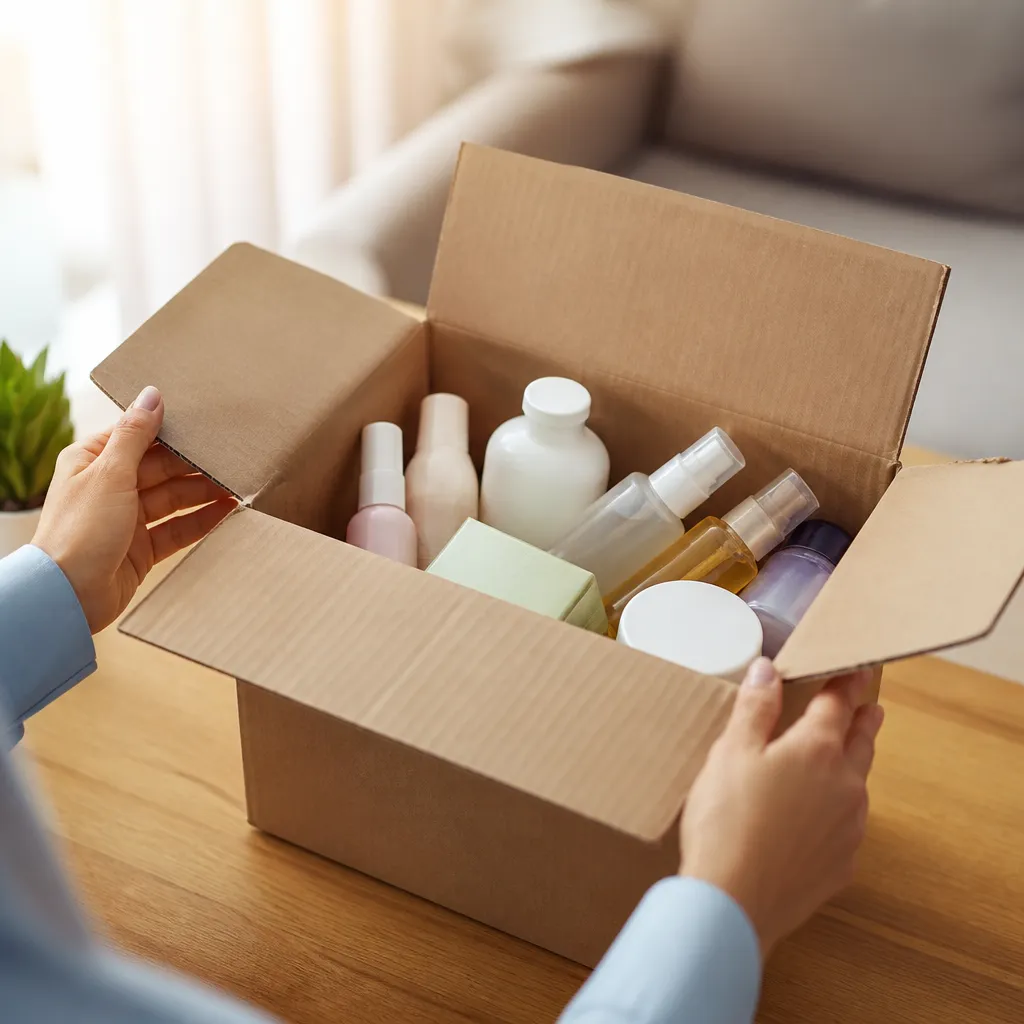
Explore Influencer and Ambassador Programs
While you don’t have to be a big influencer, brand ambassador programs offer structured opportunities to receive free products regularly.Many brands offer ambassador status to people with only a few thousand authentic followers on social networks.These programs require commitment to share content about products, but in return you receive items continuously.
To join these programs, you often need to apply directly through brand contact emails or forms on their websites.Your application must demonstrate genuine alignment with brand values, relevant audience, and ability to create authentic content.Instead of promising numbers of views or likes, emphasize your genuine engagement with followers and honest sharing history about previous products.
An often underutilized strategy is to start small and build relationships with smaller brands before approaching corporate giants. Emerging brands in your niche of interest are often more open to adding genuine ambassadors.Success with smaller brands creates portfolio that makes it easier to accept into larger brand programs later.
Participating in Events and Face-to-face Launches
Companies often organize launch events, consumer fairs and product demonstrations where they distribute items for free. Physical presence at these events provides immediate access to test products and opportunity to interact directly with brand representatives.Local events, pop-up stores and business fairs are physical channels that complement digital strategies in a powerful way.
To maximize your product collection at these events, arrive early when the number of items is maximum, visit all display stations, and genuinely talk to representatives about your product interests. Reps often write down names of interested people for future testing opportunities. You can also register on exhibitor email lists, receiving invitations for further testing. Events are networking opportunities to access tests that are not publicly disclosed.
An optimization is to research events in advance and prepare a list of companies whose products interest you. This allows you to prioritize being at their stands, ask specific questions and make a stronger impression. Representatives more easily remember people who demonstrate genuine interest and prior knowledge about brand products. This preparation turns your participation into a passive collection event for strategic networking with people responsible for test distribution.
Using Test Search Aggregators and Tools
There are tools and websites that aggregate testing opportunities from multiple sources in one place. These aggregators compile data from test platforms, individual brand offerings, and sample programs, saving you time in searching for scattered information. Tools like “MyPoints”, “Swagbucks” and “ProductTesting” act as opportunity centralizers where you can filter by interest category and product type.
Registering in multiple aggregators exponentially increases your opportunities without proportional effort. While each individual platform offers a subset of opportunities, combined they create access to hundreds of potential tests. The key is to set filters on each tool aligned to your real interests, avoiding overload of notifications on products you do not want. A disciplined management of multiple platforms keeps the system sustainable and productive.
One often overlooked aspect is optimizing the notifications you receive. Instead of receiving alerts for absolutely every opportunity, calibrate your setup to notifications only about products that are truly relevant to you. This reduces noise, keeps your inbox manageable, and allows you to respond quickly to tests that are really worth your time. Speed in responding to relevant opportunities is critical, as vacancies often fill up in hours.
Creating Content that Attracts Testing Opportunities
Whether you maintain a blog, YouTube, podcast or any content platform, you have significant advantage to attract direct testing opportunities from brands. Content creators interest companies because they offer authentic exposure to their products. You do not have to be a great creator to attract interest.
To attract brands through your content, you must create genuinely useful material aligned with your audience. Blog posts product analysis, honest review videos and authentic discussions about product categories naturally attract attention from companies. They monitor keywords related to their products and identify creators who talk about these topics. Quality and consistency in content matter more than quantity of followers or views to mark small and medium businesses.
Including professional contact clearly visible on your website or content channels makes it easier for brands to find you and propose test collaborations. Something like “Collaboration Proposal: [email protected]” signals professional availability for partnerships. Many tests come through direct contact with creators who have an online presence, even if modest. You are essentially becoming findable for companies looking for testers in your specific niche.
Managing Expectations and Avoiding Traps
Not every “free product test” is legitimate.You will encounter scams, schemes that charge hidden fee, and proposals that lead only to wasted time. Learning to identify real opportunities versus scams is just as important as knowing where to look for genuine tests.Legitimate companies never charge upfront fees from testers. If someone asks for payment to “participate” in testing, it is immediately a scam.
Genuine opportunities come from well-known brands or established platforms with verifiable history. Before providing any personal information beyond the essentials, research the company or platform.Search reviews from other testers, make sure the company has an established presence and active social networks.Legitig platforms have clear policies on privacy, reimbursement and selection of testers. Transparency in these areas is a strong indicator of legitimacy.
Setting realistic expectations also protects your time and mind. Not every application will be approved. Average amount of products you will receive will depend on how long you invest in the process, how specific your profile is, and how active you are on the platforms.Start with one or two platforms, get used to processes, and expand gradually. Trying to do everything simultaneously from the beginning often results in frustration when you receive repeated rejections or few opportunities initially.
Advanced Strategies to Maximize Results
Experienced testers develop sophisticated systems to optimize their flow of opportunities. One strategy is to create different thematic profiles. If you have multiple uncorrelated interests, profiling on platforms aligned specifically to each interest increases qualification for specific categories. For example, a technology-focused profile will receive more electronics testing, while a beauty-focused profile will receive cosmetic testing.
Another advanced optimization is to keep a spreadsheet tracking all your applications, dates, approval status and feedback provided. This record allows you to identify patterns in which types of products you approve, which approval rate on each platform, and what average time to receive products. Analysis of personal data about your own testing activities identifies opportunities for improvement. If you have approval rate of only 10% on one platform but 30% on another, you can rearrange your time focusing on the most productive channel.
Developing long-term relationships with brand representatives creates unique testing pipeline.When you respond positively, provide detailed feedback and maintain professional communication, companies begin to invite you directly to future testing without needing to apply publicly.These “by invitation” tests often offer higher value products because company already trusts in their ability to provide valuable feedback.Treating this network of relationships with professionalism is long-term investment that pays off exponentially.
Integrating Tests with Your Lifestyle
Sustainable success in this model of getting free products depends on natural integration into your lifestyle. You should not force participation in tests that do not genuinely interest you just to win something free. This results in poor feedback, impaired reputation and rapid wear of motivation. In contrast, focus on categories where you really consume and have interest maintains pleasurable and productive activity simultaneously.
Consider your natural consumption habits.If you frequently buy technology, focus on testing in this category. If you spend a lot on cosmetics or personal care, prioritize testing in these segments. This alignment means that you were “going to spend” anyway, but are now testing free products before deciding to buy. You turn predicted spending into real savings while providing authentic feedback based on genuine product use, not artificial testing.
Your active participation in product testing also offers valuable side effect.You discover new brands, try products you wouldn’t buy yourself, and identify unexpected favorites.This learning about the market makes you more informed consumer in the long run.In addition, structured feedback you provide during testing trains your consumer analytics ability, making you better at evaluating products independently later.