See How to Get Free Products to Try at Home
Announcements
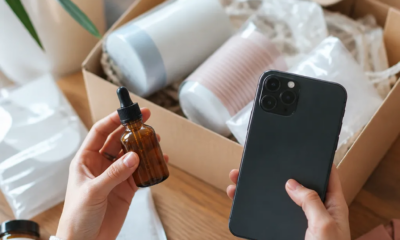
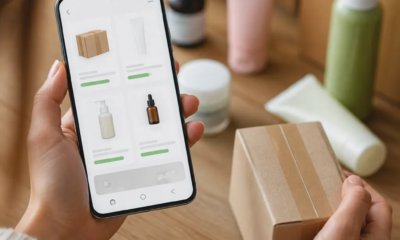
Receiving free products to try at home is a reality, it is no longer a distant dream.There are legitimate and proven strategies that you can use to get samples, complete products and even unique items without spending anything.
 Home Tester Club
Classification:
^^^^^^^^^^^^^^^^^^^^^^^”’
3.70
Age Classification:
Classification 12 years
Author:
HomeTesterClub
Platform:
Android
Price:
Free
▶Download on Google Play
Announcements
The product testing market has grown exponentially in recent years, and brands invest millions in sampling strategies to collect real feedback from consumers like you. In this article, we will explore the myths and truths behind this practice, introduce the most effective methods, and show you how you can become a recognized product tester for leading Brazilian and international companies.
What is Product Testing and How It Works
Product testing is a program where companies send items to real consumers to evaluate before the official market launch or during promotional campaigns. Brands need authentic data on how their products behave on a daily basis, and so offer free samples in exchange for honest reviews. This is a legitimate marketing investment that benefits both sides: the company collects valuable insights and you receive the product without paying anything.
The operation is simple: you register on specialized platforms, fill out a profile with your preferences and demographics, and wait for invitations to test products. When selected, you receive the item at home and need to use it normally, answer detailed surveys about the experience and, in some cases, share photos or videos. Companies use this information to improve their product lines or confirm that they are on the right track before a larger launch.
Myth: Test Programs Are Always Pyramids or Scams
This is one of the biggest myths surrounding product testing. Many people associate any free product offering with pyramid schemes or scams, but the reality is quite different. Legitimate programs do not require you to recruit others or pay entry fee to participate. Consolidated platforms like Influence, Get Tested, TestBox and others do not work that way.
What generates mistrust is the existence of scammers who imitate these programs and try to charge a fee for “registration” or “activation”. These are fraudulent, but the fault is not the concept itself, but criminals who exploit the lack of knowledge of people. When you participate in an official program, no penny is disbursed. The process is completely free from registration to receipt of the product and submission of responses.
Truth: You Really Receive Valuable Products
Contrary to what many imagine, products offered in test programs are not always cheap or discontinued items. You can receive premium brand cosmetics, electronics, gourmet foods, cleaning products, clothing and more. Some brands send items that would cost hundreds of dollars if purchased at retail.The reason is that investment in product testing is considered more profitable in the long run than traditional advertising campaigns.
When you test a product and like it, there is a high probability of becoming a future customer of this brand.In addition, if you share your experience on social networks or with friends, it is working as a brand ambassador for free. Companies calculate that this return fully compensates for the cost of shipping free products to selected testers. Therefore, it is absolutely true that you will receive items of real value, not scrap.
How to Register on Test Platforms
The first step is to research legitimate test platforms and register on several of them simultaneously. The more platforms you have, the greater your chances of being selected. Most platforms allow free access and do not require prior purchase of any product. Look for recognized names that have an active presence on social networks and positive reviews from real users.
During registration, you will provide basic information such as name, address, email and phone. Then you will fill out a detailed profile about your consumption habits, brand preferences, and demographics. The more complete and accurate your profile, the greater the chances of you fitting into the brand selection criteria.Some platforms also ask for information about your activity on social networks, as they consider this when choosing testers who can amplify the result.
After registration, you will receive email notifications when a new test compatible with your profile appears. Each invitation includes information about the product, the brand, what will be expected of you and the date of shipment. Important: you can refuse invitations if you are not interested in the product, but accepting everything they offer significantly increases your future opportunities.
Strategies to Increase Your Chances of Being Selected
Having a complete and well-filled profile is the first essential strategy.Do not leave blank fields, as brands use automatic filters to find testers that match the product’s target audience.If you fill everything correctly, your profile will appear in more searches and you will receive more invitations.Sincerity is also important: lying about your interests or demographics may result in receiving products you do not want to test.
Staying active on platforms increases your chances. Answer surveys when asked, complete extra tasks if available, and provide quality feedback on tests already performed. Platforms track how much you engage, and committed and responsible testers receive more invitations. Additionally, if you have an active presence on social networks with real followers, mention this in the register. Influencers and content creators have priority in many programs, as they amplify the reach of the product.
Diversify your categories of interest. If you leave only very specific options marked, you will receive few opportunities. On the contrary, selecting several categories (beauty, home, food, fashion, etc.) expands your possibilities of being invited. You can always refuse a test, so being flexible in registration brings only advantages. Also consider registering on more than one platform, as they work with different brands and different frequencies of shipments.
Myth: Testing Requires a Lot of Time and Work
There is a perception that testing products is laborious and requires hours of dedication. In fact, the time invested is greatly reduced and flexible. You use the product normally, as you would if you had bought, and then answer a form that takes between 5 and 20 minutes, depending on the depth of the test. There is no rigid schedule: you organize your time as you prefer during the period available.
Some tests ask for more detailed answers or photos of the product in use, which may take a little longer, but it is still much less than a conventional paid job. Compare with any freelance activity: testing products is significantly less demanding. The return in the form of free products absolutely compensates for the minimum time required to answer reviews.
Truth: Your Honesty Matters and Is Verified
Brands take the quality of reviews received very seriously. They check for consistencies in responses, analyze whether your reviews make sense with product features, and track how long it took you to respond. Generic responses, copied from other testers or answered superficially can result in your removal from the program. Therefore, providing genuine and detailed feedback is not only ethical, it is essential to continue receiving invitations.
When you write that the product is “very good” without justifying why, the brand can not extract real value from this information. But if you say “the cremem is very good because it moisturizes well, leaves no residue and the packaging is practical”, you provide useful insights that really help the company. This increases your credibility and the likelihood of being invited to future tests of this same brand and other brands that share data within the industry.
Types of Products Most Commonly Offered
Cosmetics and beauty products are the most frequently sent items for testing. Brands of skincare, makeup, shampoos and conditioners constantly seek testers to validate formulas and effects.Cleaning and hygiene products also appear regularly, especially in times of development of new disinfectants or specialized detergents.Snacks and gourmet foods are another popular category, usually shipped when a brand wants to test acceptance of a new flavor or packaging.
Smaller electronics like headphones, cell phone cases and tech accessories are also tested frequently, although they are less common than cosmetics. Clothing, especially from brands that sell online and seek feedback on comfort and fit, appears regularly. Home items like pillows, blankets and organizing products also circulate in the programs. The variety is large, and you will probably find several categories that interest you if you register on multiple platforms.
Myth: You Need to Be an Influencer To Receive Products
Many people believe that only digital influencers with millions of followers get access to free products. This is a falsehood. Although influencers receive more invitations, test programs accept ordinary people without any online presence.Brands need genuine feedback from real consumers, and often an opinion of someone who is not a content creator is as valuable or more than that of an influencer.
The difference is that if you have followers on social networks, you will mention this in the registration and will have priority in certain tests where the brand wants amplification. But your absence in social networks does not disqualify you. Platforms like Influencie offer tests exclusively for people who do not post on the networks, recognizing that there is value in feedback from consumers who simply use the product without concern to document or promote. You will receive fewer invitations than an influencer, it is true, but will still receive.

Truth: There Are Benefits Beyond the Free Product
In addition to receiving the product, you become part of a community of testers who often receive extra benefits. Some platforms offer discounts on future purchases, additional giveaways or points that can be converted into prizes. You also accumulate experience and credibility within the program, which opens doors to more premium testing and higher value products. Testers with a consistent history of quality feedback receive VIP treatment on some platforms.
Also, participating in tests gives you the chance to discover new products that you might not normally buy. Many people develop loyalty to new brands after testing their products for free, and this can result in long-term savings if they find items you love for lower prices. The network of contacts also has value: you know other people interested in testing, can exchange tips and information on trusted platforms, and expand your opportunities collectively.
How to Ensure You Receive the Product
After being selected for a test, you will receive a tracking code as soon as the product is dispatched. Most platforms work with reliable logistics companies that ensure safe delivery. It is important to keep your address up to date on the registration and warn the platform if you move, as many products are not resubmitted if they arrive at an outdated address. Some tests also allow you to choose an alternative delivery point, such as post offices or partner stores.
If for some reason the product does not arrive, immediately communicate to the platform with the expected date of delivery and the tracking code. Legitimate platforms have refund or reshipment protocols.However, this is rare when you work with established programs.It is also important not to report incomplete or incorrect data in the registration, as this may delay shipping or result in return of the package. Consider using a fixed and verifiable home address, as some brands avoid to commercial or uncertain addresses.
Myth: You Need to Buy Products Before You Receive Testing
A persistent myth is that you first need to make a purchase on the brand to be entitled to free samples or tests. This is totally false. Legitimate test programs do not require prior purchase of absolutely anything.Some tests can be offered exclusively to recent brand customers as a form of loyalty recognition, but these are still free and do not require new purchase to participate. The golden rule is: if someone asks you for money to receive something free, it is a scam.
Verified platforms charge their revenues through advertising and commissions with brands that use their services, never asking for money from users. If you find a website or group that charges a subscription, activation or membership fee to access tests, immediately report it to the competent authorities. The practice is fraudulent and harms well-meaning people who just want to test products genuinely.
Truth: Big Brands Invest Heavily in Testing
Multinational brands and established locations devote significant budgets to product testing programs. Companies such as those that produce premium cosmetics, well-known foods, popular drinks and recognized electronic products regularly use test platforms to validate business decisions.This means that you are not receiving inventory scraps, but products in active development or confirmation of success from recent releases.
This truth ensures that programs are sustainable and will remain available.You are not participating in a fragile experimental initiative, but in a mature and established sector within the marketing industry.Billion reais circulate globally in product testing, and this reality holds that you, as a consumer, have legitimate and frequent opportunities to receive free items.
Practical Tips to Maximize Your Results
Create a specific email for registration on test platforms, so you do not lose notifications of invitations among other emails. Set up push or SMS notifications if the platform offers, because invitations have a deadline and vacancies fill quickly. The faster you respond to an invitation, the greater your chances of being selected among the first. Some platforms offer hundreds of products in line, but there is always a limit of testers per item.
Take photos and write detailed notes about your experience with each tested product. If you save this information, when answering the form will be easier to provide accurate and enriched feedback. Products leave impressions that change over time, then registering your first impressions on the day that arrives is more effective than trying to remember weeks later. Also be respectful of the product: even if it is free, do not spoil it purposefully, as brands can track whether there was negligence before considering it for future testing.
Meet the deadlines set to send your reviews. If you request feedback within 30 days, send well before that deadline. Testers who meet deadlines gain excellent reputation and receive more invitations. Also respect the terms of confidentiality: some tests prohibit sharing photos or opinions before a specific date, as the product has not yet been officially launched. Violate this may result in its permanent removal from the program and even legal actions of the brand.
Myth: All Tests Are For New Products
There is a perception that tests are always for completely new items on the market. The truth is that many tests involve already consolidated products that are testing new packaging, reformulated formulas or line expansion. A brand can send its star product to testers to validate if the redesigned packaging pleases the public, or test a line with new color without changing the formula. These tests are as important as those of completely new releases.
You will also find brand repositioning tests, where a company wants to test how consumers react when it expands into a new category. For example, a hygiene brand can test a new beauty product to see if it can successfully transition. All these scenarios offer genuine products from real brands, are no less valid than launch tests, and you still receive complete and free items.
Truth: Platforms Have Different Criteria and Geographic Coverage
Not all test platforms operate in all regions of Brazil. Some only cover large cities like Sao Paulo and Rio de Janeiro, while others serve the entire country. In addition, each platform works with different brands and has its own selection criteria. Therefore, if you register on only one platform and receive few invitations, it does not mean that you are excluded from the testing market. You probably need to explore other options available in your region.
Research which platforms operate in your city and consider yourself during registration. If your region has limited coverage, expanding to platforms that serve nearby cities can increase opportunities. Also stay tuned to Facebook groups and online communities of testers, where people share information about new platforms, brands they are recruiting and tips on which category has more tests available at the moment. These communities are totally free and very valuable for those who want to optimize their experience.
How to Deal With Suspicious Test Invitations
Not every invitation that seems legitimate really is. Develop the ability to identify warning signs.If an invitation comes from an email that is not official from a platform you have registered, or from a suspicious link, do not click. Legitimate invitations always come through your account on the platform or from verified emails.If you ask for your full CPF, banking data or any financial information before sending the product, it is clearly fraudulent. Legitimate platforms never ask for this information for free testing.
Be wary of messages that offer absurd values or extremely expensive products for no logical reason. If a brand offers a thousand-reais phone or a luxury watch for completely random tests, something is wrong. Search the platform on Google before registering, look for reviews from real users, and check if it has an active presence on social networks with a verified address. Doubt is reason enough not to proceed. There are legitimate opportunities in abundance, so never feel pressured to accept dubious invitations.
Variations of Available Test Models
Full tests offer the whole product for you to use normally and then evaluate. This is the most common model and usually offers the highest added value.Sample tests send small versions or special kits containing multiple products, useful when the brand wants you to try different variations.Some tests are focused exclusively on collecting photos and videos, where you use the product, visually capture the experience and send the media, without extensive written form.
There are also quick search tests where you answer quizzes about your perceptions of a product you may have already tested or not. There are also prototype feedback tests where you test unfinished versions of products and your opinion helps the brand make decisions before the official launch.Each model has its own dynamics, and exploring the variety keeps the experience fresh and offers distinct opportunities to receive different products.
Documentation and Proof
After completing a test, you will receive confirmation of submission and participation. Some platforms offer certificates or test history that you can use if you want to prove your experience as a tester. Although it is not necessary to continue participating, this history can be useful if you decide to offer your services as a freelance tester or want to collaborate with influencers who make content about product evaluation.
If you have problems with a product or with the test (product arrived damaged, for example), have the tracking code ready and communications screenshots with the platform. Clear documentation solves conflicts much faster. It is also useful to take a picture of the product when you arrive to prove the state in which it was delivered, if you need to complain later. These simple practices protect your rights as a test program participant.