Police Radio Simulator for Android: Try Now
Announcements
Have you ever stopped to think about how it would be to interact with a police radio in a realistic and fun way? A police radio simulator for Android offers just that: the chance to experience authentic police communications straight from your smartphone, at no cost.
This category of applications has gained popularity among security enthusiasts, gamers and professionals who want to train communications in controlled environments.The technology allows you to simulate frequencies, call types and real communication protocols, turning your mobile device into an educational and recreational tool.
What is a Police Radio Simulator
A police radio simulator is an application that replicates the operation of radio transmitters used by security forces. It offers intuitive visual interface where you configure frequencies, adjust volume, monitor channels and participate in communication simulations. The application works completely offline or with connection, depending on the type.
Announcements
These simulators combine game elements with real educational aspects.You can learn communication protocols, radio codes, emergency call procedures and even dynamics of security teams.For professionals, it represents an affordable training method that reduces costs compared to real equipment.
Most of these apps offer an immersive experience with authentic police radio sounds, communication sound effects, and interfaces that mimic professional equipment.Some simulators include emergency scenario minigames where you answer calls and make decisions in real time.
 LIVE Radio Police Scanner
Classification:
^^^^^^^^^^^^^^^^^^^^^^^”’
3.80
Age Classification:
Classification 12 years
Author:
Fansipan, Inc.
Platform:
Android
Price:
Free
▶Download on Google Play
Key Features You Find
The best police radio simulators for Android include an extensive library of realistic sounds and frequencies. You access different communication channels, adjust audio clarity, select radio types (portable, mobile, base) and experiment with broadcast power settings. This variety makes each session different and keeps engagement high.
Many apps provide a customizable control panel where you change interface colors, organize quick access buttons, and save favorite settings. This customization means you create a work or play environment exactly as you prefer, increasing usability and satisfaction with the app.
The communications recording feature allows you to capture your simulations, analyze performance and share with colleagues or instructors. There are also simulators that include basic multiplayer, allowing you to connect with friends for collaborative workouts or quick response competitions.Some applications come with integrated police code dictionary, essential for those who want to learn professional language.
Real and Practical Use Scenarios
For public safety professionals such as civilian and military police officers, these simulators act as complementary training tools. A soldier working in radio communication can use the app at home to maintain familiarity with protocols during off periods.
Educators in security schools find simulators an economical resource for practical classes. Instead of booking rooms with real radios, which cost thousands in equipment, instructors can use tablets or computers with these applications to demonstrate procedures. Students practice simultaneously on their own devices, accelerating content absorption without wearing expensive equipment.
Dispatchers working in emergency centers use simulators to simulate call spikes and train responses under pressure. A simulation scenario can include multiple simultaneous calls, conflicting communications, and situations that require rapid prioritization. This prepares the professional to deal with real stress without exposing failures to real situations where lives are at stake.
Public security enthusiasts and radio amateurs find these apps an accessible way to explore the universe of police communications. Hobists who follow police scanners (receiving radios) use simulators to better understand what they hear, learning codes and operational dynamics. For many, it is simply interactive fun that feeds genuine interest in the topic.
Actors and filmmakers who need to add realism to audiovisual productions use simulators to study language, intonation, and radio procedures before filming. A simulator offers authentic source of how professionals actually communicate, helping to eliminate errors that differ for attentive viewers. Screenwriters also exploit these apps to validate procedures described in scripts.
Parents who want to better understand the work of police children find in simulators a window into this world. Using the application generates greater empathy and understanding of the daily challenges faced by security professionals.It is family education that promotes rapprochement and mutual respect.
Advantages of Using Free Versions
The main advantage of free simulators is universal accessibility. Anyone with an Android smartphone can download and start exploring without monetary investment. This democratizes access to training tools that were once the privilege of professionals with institutional resources.For students in regions with fewer resources, free applications represent a real learning opportunity.
Free versions reduce initial commitment, allowing you to test whether the simulator type really meets your needs before considering upgrade or purchase. You experience interface, audio quality, variety of scenarios and application stability without financial risk. This trial approach benefits users who want certainty before investing in in-depth time.
Many free simulators offer impressively complete functionality, rivaling paid versions. Advertising is the common trade-off: you see ads during use, but keep accessing all the main features.For casual users who do not require advanced premium features, free version is more than enough and offers extraordinary value.
Free app user communities tend to be larger and more active.Forums, social media groups, and support channels thrive around popular and affordable apps.This means you can easily find user-created tutorials, optimization tips, shared custom scenarios, and robust peer-to-peer support.
How to Choose the Right Simulator for You
Start by identifying your main goal.If you are a professional looking for training, prioritize simulators with realistic scenarios, multiple communication protocols and multiplayer options for team training.If you are a hobbyist or enthusiast, you can focus on attractive interface, varied sound library and customization features that make experience more fun.
Check system requirements and compatibility with your specific device. Recent simulators require Android version more up-to-date, so make sure your smartphone meets minimums. Read reviews of users who have devices similar to yours to avoid incompatibilities or crashes after download. Users often mention performance issues that you can anticipate.
Test different apps if possible. As they are free, downloading two or three costs nothing but a few minutes. This trial gives you clear insight into which interface you find most intuitive, which sounds are more realistic and which features align best with your preferences. Once installed, you quickly realize if the app keeps your interest.
Consider community around the simulator. Apps with active developer support, regular updates and engaged community tend to offer better experience in the long run. If the app has not received updates for years and community is dead, future compatibility with new versions of Android becomes a concern. Choosing well-maintained apps ensures longevity of investment your time.
Practical Tips to Maximize Your Experience
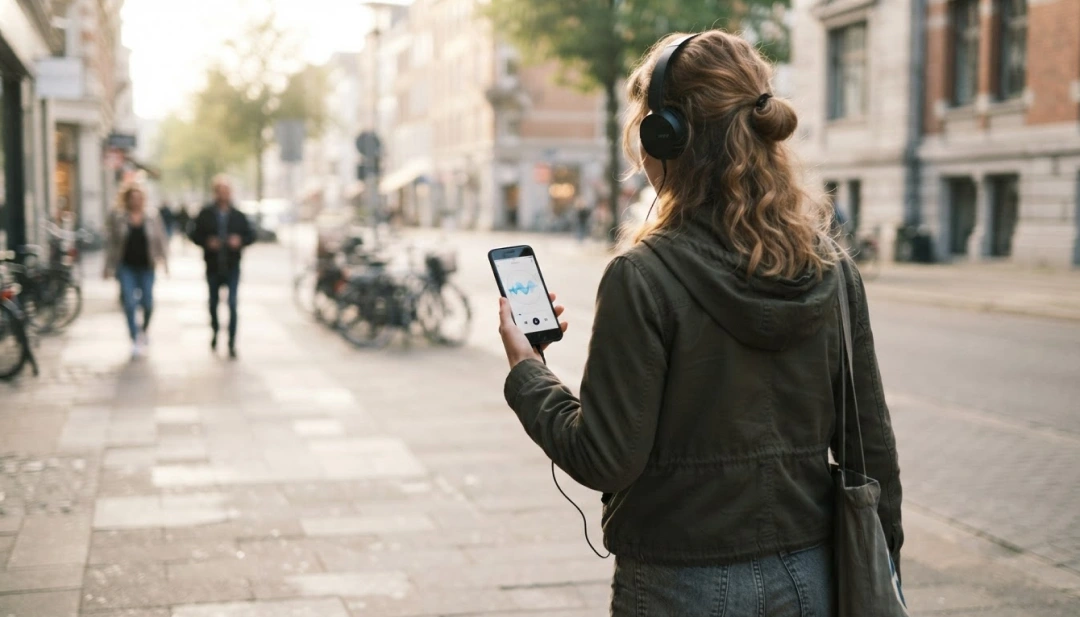
Use quality headphones for a complete immersive experience. Police radio simulators offer sound richness that is wasted on standard smartphone speakers.Good headphones reveal nuances of communication, radio static, and sound effects that make simulation sound genuinely professional.
Explore offline mode when available.Many simulators work completely without internet, saving mobile data and offering total privacy.Using offline also ensures that you do not face lag or disconnects during important workout.After downloading the initial app, you can use indefinitely without connectivity concerns.
Customize your interface as needed. Whether the simulator allows you to rearrange buttons, change colors or adjust text size, spend time setting for maximum comfort. Customizations increase operating speed and reduce fatigue during long training sessions. A well-organized dashboard for you means fewer errors and more confidence when using.
Join online communities associated with the simulator. Users share custom scenarios, optimization tips and even fix bugs before official developer acts.Active communities offer quick support when you face questions.Many communities have specific groups for professionals, educators and hobbyists, ensuring conversations relevant to your interest.
Use simulator regularly to maintain sharp skills.If you are professional, daily short sessions of 15-20 minutes are more effective than occasional long marathons. Consistent repetition consolidates muscle memory, familiarity with procedures and speed of response. Hobists who use regularly appreciate more nuances than occasional beginners do not realize.
Adjust difficulty and complexity as you progress. Well-designed simulators offer increasing difficulty levels. Start with simple scenarios for learning basic mechanics, then move on to complex situations with multiple variables.This progression keeps application challenging and avoids boredom caused by repeated trivial tasks.
The Future of Police Radio Simulators
Augmented reality technology is starting to appear in next-generation simulators. Imagine visualizing in real time, using smartphone camera, where signals travel or how physical equipment would behave in your environment. This evolution will make training even more immersive and effective to prepare professionals who will face real situations.
Integration with artificial intelligence promises simulators that learn from your patterns and adapt challenges dynamically. An AI can simulate unforeseen calls, vary responses from simulated teams and create new scenarios based on difficulties you face. This personalizes experience and makes each session unique, without the need for developers to manually create new content.
Enhanced multiplayer collaboration will enable genuine team training through mobile apps.Multi-city teams will be able to train together remotely, simulating coordinated operations as they occur in real fields.This capability will revolutionize how security departments conduct cross-agency training without travel costs.
Virtual reality on standalone smartphones will make simulators even more immersive. With affordable VR headset connected to Android, you will not only listen to a police radio, but will be immersed in realistic three-dimensional scenarios.This technological evolution will dramatically expand educational and professional applications of simulators.