Learn How to Track What Your Kids Access on the Internet
Announcements
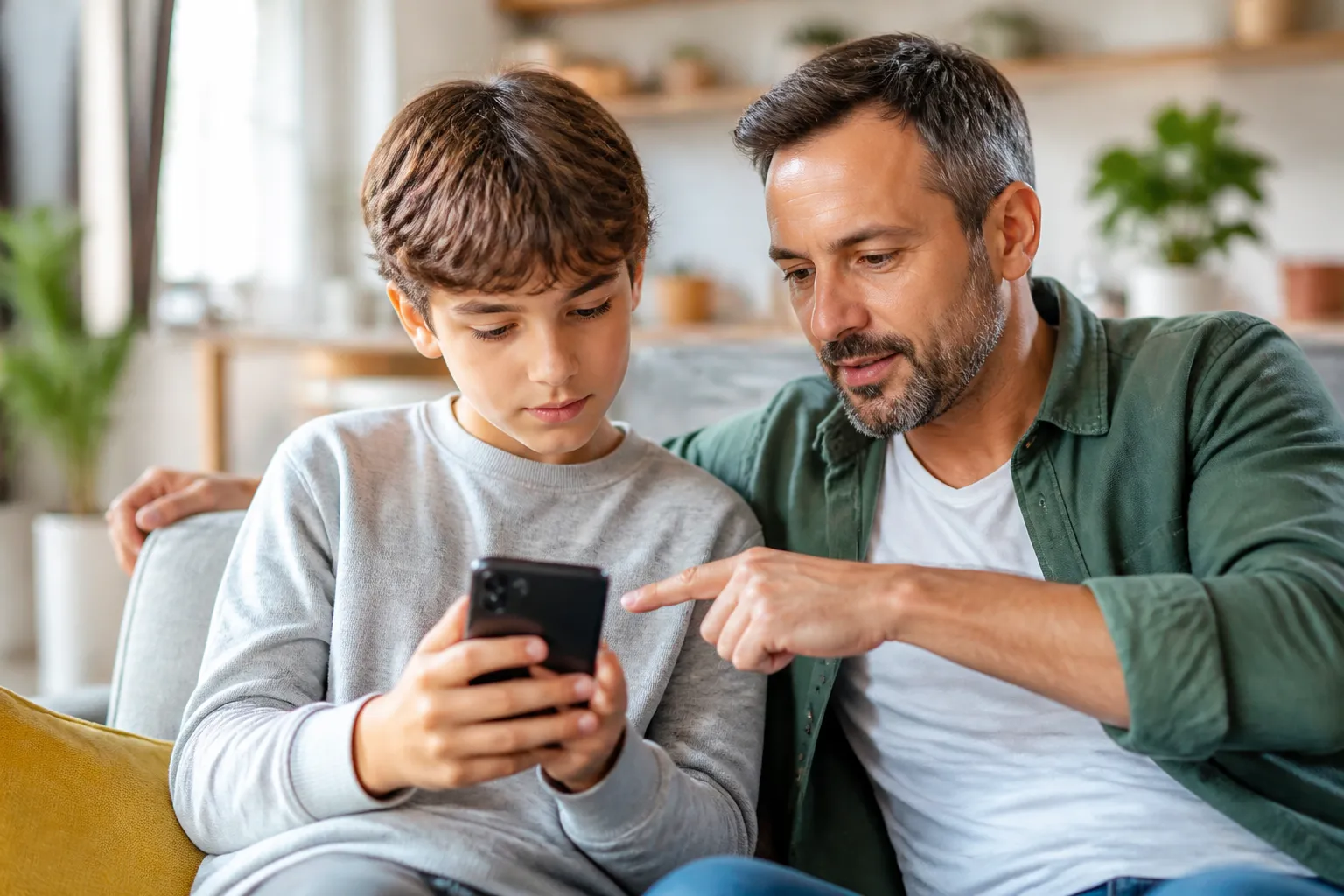
Do you care about what your children do online? The internet offers incredible opportunities for learning, but it also carries risks that every parent needs to know. This article will show you practical and effective ways to keep track of what your children access on the internet, maintaining the balance between protection and trust.
continue on to the full guide:
 FREE GUIDE
Complete guide to track your children’s online navigation
✓Free
✓Parental control
✓Historical and
VIEW APP¹
📖 Reading 2 min · at no cost
The reality is that children and adolescents spend more and more time connected. Social networks, videos, online games and messaging applications are part of their daily lives. Without follow-up, they may encounter inappropriate content, contact with strangers or even situations that harm their emotional and physical well-being.
Announcements
Why Monitoring Internet Access Is Important
Monitoring internet access is not only about control, but about conscious protection.Your child may accidentally click on malicious links, be approached by strangers on social networks or access violent or inappropriate content without realizing it. You, as a responsible, have a duty to create a safe and guiding digital environment.
In addition to the obvious risks, there is the issue of excessive screen time and addiction to social networks.Many teenagers suffer from anxiety, depression and sleep problems related to uncontrolled internet use.When you follow and guide, it helps your child develop healthy habits from an early age.
Establishing this observation also strengthens the relationship between you and your children. By talking about what they access, you demonstrate genuine interest, create space for dialogue and learn more about their tastes, concerns and social circles.
Parental Control Tools Available
There are several technological solutions that allow you to track and limit internet access. Many browsers and operating systems already include basic parental control features that you can activate without spending anything. Windows, macOS, iOS and Android offer these options natively, with content filters and time limitation of use.
In addition to the built-in tools, there are specialized applications developed by external companies that offer more advanced functionality. These applications allow you to monitor browsing history, block specific websites, establish usage schedules and receive alerts about suspicious activity. Some even make it easier to monitor social networks and messaging applications, offering a more complete view of the digital life of your children.
The important thing is to choose a solution that works with the devices your children use. If he has Android smartphone, you need something compatible with this system. If you use Windows computer, the tools should work there too. Many platforms offer support for multiple devices, which greatly facilitates centralized monitoring.
Setting up Parental Controls on Smartphone
Smartphones are the devices that children use most to access the internet these days. Setting up parental control on them is essential. If you have an iPhone or iPad, go to Settings, go to Screen Time and create a security code. There you can set time limits for application categories, block certain apps and restrict inappropriate content.
For Android users, the process is similar. You can use Google Family Link, a free tool from Google that allows you to manage children’s devices from your device. With it, you see the time of use per application, blocks specific apps, sets usage times and receives notifications when your child tries to download something new. The interface is simple and intuitive, making it easy to follow daily.
In addition, you can configure the smartphone browser itself. Chrome, Safari and Firefox have safe browsing modes that automatically block websites with adult or violent content. Activating these features is fast and offers an extra layer of protection. Combine these options to create a safer digital environment on your child’s smartphone.
Monitoring Computer and Notebook
If your children use computer to study or have fun, you should also protect these devices. On Windows, go to Settings, go to Accounts and look for Parental Controls. There you set time limits, block specific applications and establish periods when the computer becomes unavailable. It is especially useful to prevent your child from accessing the PC during class times or sleeping.
On macOS computers, the approach is similar. Go to System Preferences, select Screen Time, and set restrictions. You can block apps, limit access to adult content, and set availability times. Apple also syncs these settings between devices, so protection works on iPhone and iPad as well when your child tries to switch devices.

In the browser, install parental control extensions that block inappropriate websites. Many of them work even if your child tries to disable them, as they require a password that only you know. Configurations to record browsing history, allowing you to see which websites have been visited. This combination of restrictions on the operating system and browser provides robust protection.
Communication and Establishment of Limits
Technological tools are important, but they are not everything. Honest conversation with your children is key. Explain why you are monitoring, show that it is not about distrust, but about protecting them. Teens especially need to understand that you respect their privacy, but also have responsibilities as responsible. This transparency builds mutual trust.
Set clear and fair rules about internet use. Set how long a day is acceptable, which apps are allowed and at what times they can access internet. Make it clear what the consequences are if these rules are broken. When your children understand expectations from the beginning, it is much easier to comply and fewer reasons for conflicts arise.
Teach your children about the real dangers of the internet in a way appropriate for their age. Young children need to learn that they should not talk to strangers online. Teens need to understand about cyberbullying, photo sharing and personal information.When they know the risks, they make safer decisions and you can follow up more easily.
Practical Scenarios for Using Monitoring
Joana, mother of a 10-year-old boy, set up Google Family Link on her son’s smartphone. She receives alerts when he tries to access unauthorized applications and can see how much time a day he spends on social networks. This allowed her to identify a sudden increase in YouTube use and talk to him about video addiction.Today, they have established schedules and your child has more time to play in person.
Another case is that of Carlos, father of a 15-year-old teenager.He uses a specialized application that monitors not only browsing history, but also social network activities.When he realized that his daughter was frequently talking to a suspicious profile, he was able to talk to her about online security before any major damage occurred.
Maria, mother of two, set up simple but effective parental controls. Blocked adult content sites on all devices in the house and established that the internet is turned off at 21 am. Her children now sleep better and have more quality time with the family. She does not monitor every click, but created a safe environment that works for the whole family.
His teenage son had difficulty focusing on studies because of the internet.Paul used Windows parental control to block access to the computer during class times. Initially his son complained, but then saw the grades improve and both found balance.Technological monitoring served as support to establish a healthier routine.
Final Tips for Effective Follow-up
Be consistent with the tools you choose to use. Set up and then abandon monitoring does not work. Regularly review settings, update locks as needed, and adjust as your children grow.What is appropriate for an 8-year-old is not for a 14-year-old.
Keep open dialogue about internet and technology. Ask about what they do online, what friends they have on social networks and if something strange or uncomfortable has happened. When your children feel comfortable talking about these topics, you get valuable information that no technological tool can provide. Communication is the best defense against online problems.
Do not use monitoring as a form of punishment or humiliation. If you find that your child has accessed something inappropriate, talk quietly instead of simply punishing. Understand why he did it and use it as a learning opportunity. Children who feel that they are being spied on and punished tend to hide their online activities even more. Trust is always more effective than fear.
Consider that no tool is 100% effective. More technical teens can find ways around parental controls. Hence, education and dialogue remain their best tool. Combine technology with guidance, rules with confidence, and you create an environment where your kids can explore the internet safely and responsibly.The ultimate goal is not to control your kids, but to empower them to live well in the digital world.