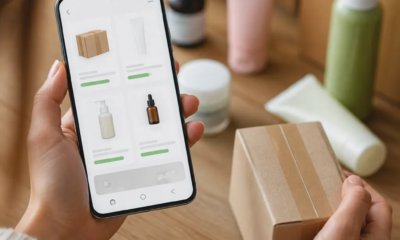
How to Get Free Products to Test
Announcements
Getting free products to test is an increasingly accessible reality, especially for those who know where to look and how to position themselves. Brands constantly seek opinion from real consumers, and you can benefit from it without spending a penny.
Announcements
There are several myths and truths about how to get free products for analysis.Many people believe that this only works for influencers with millions of followers, while others give up for fear of falling for scams.The reality is quite different: the market offers genuine opportunities for anyone interested in testing new products, as long as you follow the right strategies and know how to identify the legitimate platforms.
The Influencer Myth: Testing Products Is Not Famous Privilege
One of the biggest misconceptions about free products is believing that only influencers with a wide reach can receive them. In fact, brands are much more interested in honest feedback from ordinary people than in celebrity endorsements, as the public trusts more in authentic reviews.
Companies understand that a consumer with 500 genuine followers who really care about the product can generate more impact than an influencer who does generic advertising. Many test programs accept participants only with a basic presence on social networks or even without any presence, focusing only on their demographic profile and real interest in the product. Therefore, start today without worrying about numbers of followers.
Truth: Specialized Platforms Exist and Work
There are legitimate platforms dedicated to connecting brands with product testers willing to provide honest feedback.These platforms act as intermediaries, making the process easier for both sides.They manage the entire testing lifecycle, from initial registration to collecting detailed product reviews and comments.
International platforms such as BzzAgent, ProductTesting.com and Pinecone Research are consolidated examples that actually send products for testing. In Brazil, there are similar initiatives and also direct partnerships with retailers seeking testers for new product lines. The important thing is to check the authenticity of the platform before registering, noting whether it has history, certifications and positive reviews from other users.
Myth: Making Money With Product Testing
Many people believe that testing products is a way to make quick and easy money.The truth is that most programs offer free products as main compensation, not cash.Some programs may offer small monetary incentives or accruable points, but these amounts are usually modest and should not be considered income.
The real benefit of participating in product testing is receiving items you would like to use without paying for them, as well as the satisfaction of influencing the development of future versions. If your motivation is purely financial, this may not be the most profitable way. However, if you like new products and want to save while contributing your honest feedback, then testing is absolutely valuable to you.
Truth: Your Feedback Is Really Important
Brands invest in testing programs because they need real information about how their products work with real consumers. Their detailed and honest feedback influences important decisions about improvements, redesigns, and even the launch of new products on the market. Companies with large research and development budgets take tester reviews very seriously.
When you participate in a legitimate testing program, your observations on quality, durability, packaging, and overall product experience feed reports that executives study.This means your opinion carries real weight, and companies count on you to provide candid analysis that helps identify problems and opportunities for improvement before the large-scale commercial launch.

Myth: All Programs Request Financial Data
A big fear of many people is that product testing programs work like scams that ask for credit card information or bank details.The truth is that legitimate programs never ask for a credit card for you to receive free products.If a program asks for your financial data before sending anything, you can be sure that it is a fraud.
Genuine programs collect information such as name, shipping address and demographic profile, but never ask for payment method for products that will be sent free. Always check the privacy policy of the platform and understand how your data will be used before registering. Mistrust is healthy when it comes to sharing personal information on the internet.
Truth: Selectivity is Part of the Process
Not every person is selected to test each product, as brands look for testers that match their specific target audience. If you register on a testing platform, you may only receive a few invitations throughout the year, especially if you are new to the platform.
Companies analyze your profile, purchase history, interests, and demographics to decide which product you would test best. This selectivity ensures that feedback comes from people who will actually use that type of product in real life. The more complete your profile on the testing platforms, the greater the chances of you being chosen for programs relevant to your interests.
Myth: You Need to Make Advertising Aggressive
There is a belief that testing products implies doing constant advertising on social networks and bothering your audience with promotions. In reality, most programs just ask you to share your honest feedback authentically, without pressures to sell or promote artificially.
Many programs simply ask you to fill out a form with your impressions about the product, take some photos or leave a review on a specific platform. Others may suggest that you share your experience on social networks, but always in an organic and authentic way.The key is to keep your credibility and reputation intact by sharing only what you really think about the product.
Truth: Consistency Opens Doors
The more you participate in testing programs and provide complete feedback, the greater the chances of receiving invitations to new tests. Platforms track users who deliver quality assessments, well structured and within the established deadlines.
Users who consistently send detailed feedback, respect delivery dates, and participate in complementary surveys become priorities for more unique programs. Some programs even develop member tiers where more engaged users access premium or more frequent product testing.