Parental Control: Monitor Your Child's Conversations
Announcements
Monitoring your child’s conversations is one of the most legitimate concerns of any parent in the digital age.You need efficient tools that allow you to track online interactions without losing the trust you have developed with your child.
Announcements
Parental control for viewing conversations goes far beyond simply blocking inappropriate content.This is an advanced protection strategy that combines technology, open dialogue and intelligent monitoring to ensure you understand your child’s digital universe and intervene when needed.
Why Monitoring Conversations Is Key
Your children spend hours connected on messaging platforms, social networks and communication apps you may not even know about. In this scenario, cyberbullying, contact with strange predators and exposure to harmful content pose real and growing risks. Understanding what your child communicates allows you to identify warning signs before the situation becomes critical.
Preventive monitoring also offers psychological reassurance.When you know you can access conversations in case of need, anxiety subsides and you can focus on building a trusting relationship with your child.This trust, paradoxically, is enhanced when the young person understands that you care enough to accompany him digitally.
Advanced Conversation Monitoring Strategies
The most effective approach combines multiple layers of protection. First, you should establish which platforms your child frequently uses: WhatsApp, Instagram, TikTok, Discord, Telegram or gaming apps that include chat. Each platform presents different challenges and requires specific tools for proper monitoring.
Many parents make the mistake of focusing only on one type of communication.Your child may have seemingly harmless conversations on WhatsApp, but be exposed to harmful content on Discord or in private Instagram groups.An advanced strategy involves auditing all the platforms your child regularly accesses, creating a complete map of their digital activity.
Efficient Tools to Monitor Messages and Conversations
There are specialized solutions that allow you to view messages, chat histories and communication activities in real time. Apps like Google Family Link offer basic monitoring functionality for Android devices, allowing you to see which app your child is using at that time.More robust platforms like mSpy or SpyBubble provide access to complete message histories, automatic screenshots and simultaneous location tracking.
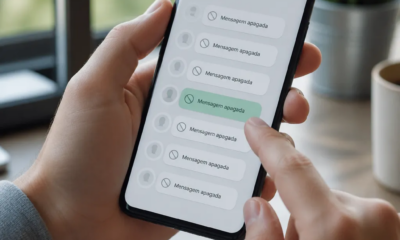
Each tool has specific advantages. Google Family Link is free and integrated into the Android ecosystem, but offers limited chat monitoring functionality. Third-party apps provide more comprehensive features, including viewing deleted messages and monitoring secret apps, but often involve financial investment and require physical access to your child’s device for initial setup.
Essential Technical Configuration
To implement any monitoring solution properly, you need: to get technical access to your child’s device (which requires honesty and open communication), install the chosen parental control application, configure the necessary permissions and test the functionality before completely relying on the tool.Many parents face difficulties because they do not correctly configure the access permissions, leaving some conversations invisible to the monitoring system.

Balancing Protection with Privacy and Trust
The key to effective monitoring lies in full transparency with your child.You should not hide that you are using parental control tools. Explain that the intention is not to distrust him, but to protect him from real dangers. Teens who know that they are being monitored tend to be more cautious in their digital interactions, which naturally reduces their exposure to harmful situations.
Set clear boundaries on when you will access conversations: will it only be in suspicious situations? Will you check randomly? Or will you monitor continuously?These boundaries need to be negotiated between you and your child, considering their age and maturity. A preteen requires more rigorous monitoring, while a teenager can negotiate more autonomy in exchange for responsibility and honesty.
Warning Signs in Your Son’s Conversations
Even with monitoring tools, you need to know what to look for. Conversations with unknown adults asking for photos or personal information constitute immediate red flag. Groups discussing self-harm, suicide or eating disorders represent toxic environments that your child should not attend.
Your child may be getting peer pressure to share intimate images through conversations that seem friendly on the surface. Context matters enormously when analyzing conversations.A seemingly trivial conversation about parties can hide plans for dangerous activities.Effective monitoring requires attention to behavior patterns, not just individual words.
Integration with Other Layers of Digital Protection
You should combine this strategy with other layers of protection: content filters that block harmful websites, screen time limits that reduce prolonged exposure, and installation restrictions that prevent downloading apps without approval.
Also, actively participate in the digital life of your child. Ask about your friends online, show interest in the applications he uses, and occasionally browse the content along with him. This active involvement complements technical monitoring and reinforces that you are an ally in the navigation of the digital world, not an adversary who secretly spies on you.
Periodic Review and Adjustment of Strategies
New apps emerge, old platforms lose popularity, and the ways people communicate evolve rapidly.You need to review your monitoring strategies every three to four months, making sure the tools you are using are still relevant and effective for the platforms your child actually uses.
In addition, your child grows and their relationship to privacy evolves. The level of appropriate monitoring for a 10-year-old is completely different from that suitable for a 16-year-old. Adjust your strategies as your child matures, gradually reducing invasive monitoring while maintaining layers of structural protection.This progressive process of lack of control demonstrates confidence and respect for your child’s growing autonomy while maintaining safety where it really matters.