Food Introduction: How to Start and What to Avoid in the First Months
Announcements
A food introduction it represents a fundamental milestone in child development, at which time the baby begins to discover new flavors beyond the breast milk. This delicate phase requires special attention and care to ensure safe and nutritious food.
Announcements
According to the recommendations of the Brazilian Society of Pediatrics, the food introduction it should start only at 6 months, during which time the breast milk it no longer completely meets the nutritional needs of the baby. At this time, parents need to be prepared for this new stage of the baby feeding.
Each child has his own pace of development in the food introduction. Observe the readiness signsrespecting individuality and offering adequate food are key to a healthy nutritional transition.
Main Points
- Start the food introduction at 6 months
- Respect the individual rhythm of the baby
- Offer varied and nutritious food
- Maintain the breast milk as a primary source of nutrition
- Observe signs of food acceptance and tolerance
What is Food Introduction and When to Start
The introduction of food represents a crucial moment in the development of the baby, marking the transition from exclusive feeding with breast milk or infant formula for a more diverse diet.This period requires specific attention and care from parents and caregivers.
The World Health Organization (WHO) recommends that the introduction of food begins precisely at six months of age. At this time, the digestive system of the baby is already more mature to process new foods.
Signs of Baby Readiness
The readiness signs indicate that the baby is prepared to start complementary feeding. Some important indicators are:
- Ability to sit without support
- Firm support of the head and trunk
- Reduction of tongue protrusion reflex
- Visible interest in adult food
- Ability to hold objects
- Movements that mimic chewing
The Importance of Six Months
At six months, breast milk remains essential, but no longer completely meets the growing nutritional needs of the baby.In this period, the digestive system is better prepared to process solid foods, with digestive enzymes and more developed intestinal bacteria.
“The food introduction is a journey of discovery for the baby and for the parents.” – Children’s Nutritionist
It is essential to note that each baby has its own rhythm readiness signs and guidance from health care professionals is essential to ensure a safe and healthy transition to complementary eating.
First Foods: What to Offer to Your Baby
The introduction of food is a crucial moment in the development of the baby. By the time he turns 6 months old, the child is ready to try new flavors and textures in the baby’s first foods. It is important to start with a varied and nutritious diet.
What are the main food groups for the food for baby 6 months? Let’s explore:
- Fruits: Ideal for fruit pulp, how:
- Papaya
- Banana
- Avocado
- Sleeve
- Vegetables: Perfect for vegetable gruel:
- Carrot
- Pumpkin
- Beetroot
- Broccoli
- Proteins:
- Shredded meat
- Chicken
- Fish
- Egg
The initial recommendation is to offer two fruit porridges and a salted pope daily.It is important to vary the foods to ensure different nutrients and stimulate the baby’s taste buds.
Remember: Food diversity is the key to complete nutrition!
In the preparation of food, it is essential to knead or grate to facilitate digestion. Avoid adding salt or sugar. The consistency should be very creamy, allowing the baby to safely try new flavors.
Recipes for Babies: Nutritious and Safe Preparations
The food introduction is a special moment in the life of the baby, full of gastronomic and nutritional discoveries nutritious recipes for babies it requires care, attention and knowledge about the nutritional needs of each stage of child development.
Baby food should be prepared with fresh, natural and age-appropriate ingredients.The main objective is to offer a balanced and safe diet, stimulating new flavors and textures.
Vegetable and Protein Pans
In the preparation of baby food, it is essential to follow some important guidelines:
- Combine one ingredient from each food group
- Cooking food separately
- Knead with fork, maintaining a consistent texture
- Avoid blender use
Some nutritional combinations for how to prepare baby food include:
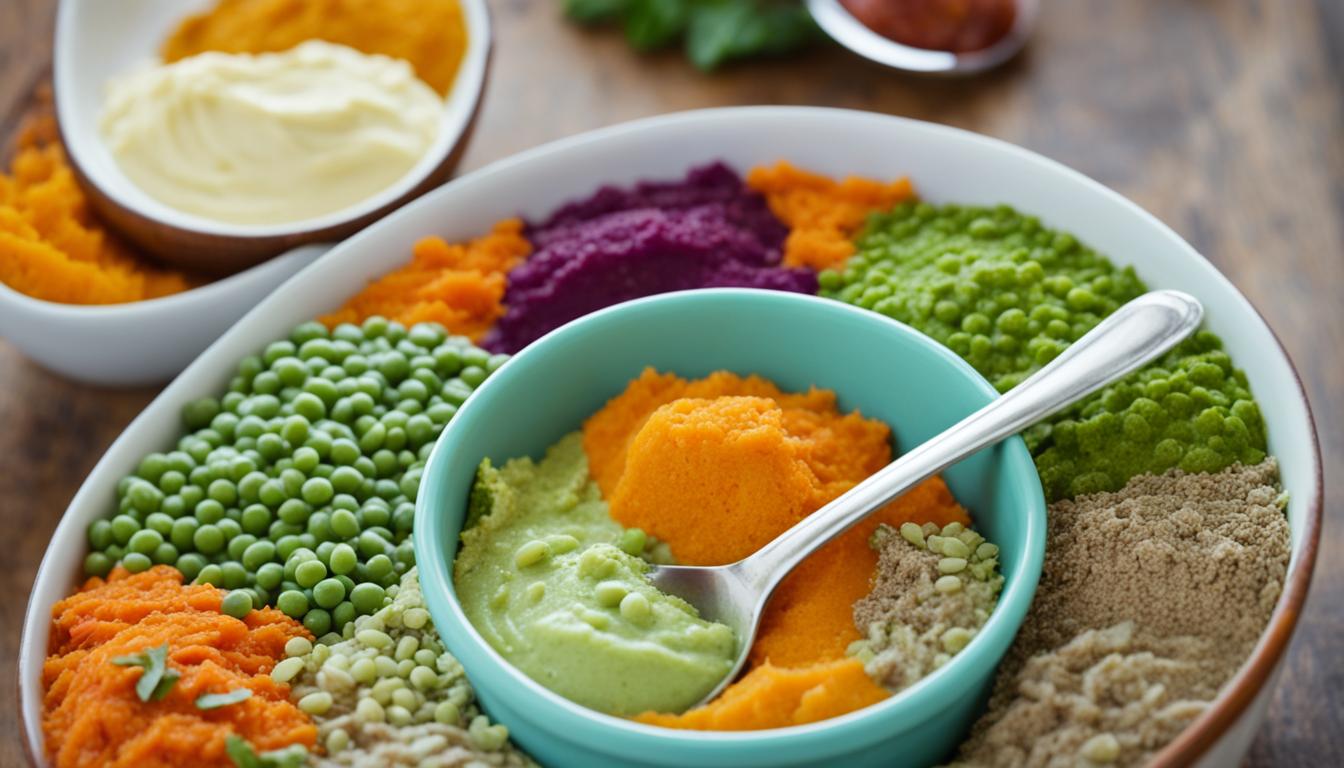
- Pumpkin + rice + ground beef + lentil
- Beet + yam + egg + chickpeas
- Carrot + sweet potato + shredded chicken + beans
Kneaded and Shaved Fruits
Fruits are excellent allies in infant feeding. Some important tips for preparation:
- Present the whole fruit before preparing
- Shave apple and pear with spoon
- Knead banana and avocado with fork
- Shave papaya carefully
The consistency of the papaya should progress gradually: initially pasty, then with small pieces, until it approaches the family meal near the first year of life.
Prohibited Foods in the Food Introduction
Food introduction requires special care to ensure the safety and health of the baby. forbidden foods for babies which may pose significant risks of choking on babies or health problems.
Among the main foods that should be avoided during food introduction are:
- Sweets and sugars: Ice cream, pudding, chocolate, gelatin, cake and jam
- Processed meats: Ham, sausage, bacon, salami and bologna
- Industrialized drinks: Soft drinks and juice boxes
- Honey (before 2 years old)
- Foods with excess salt
The risk of choking on babies increases significantly with foods such as:
- Whole grapes
- Cherry tomato
- Popcorn
- Peanut
- Hard bullets
Honey, for example, can contain dangerous bacteria that cause infant botulism.Salt overloads the developing kidneys of the baby, while sugars and sweeteners can compromise taste formation and increase future risks of obesity.
It is essential to prioritize natural, fresh and age-appropriate foods, ensuring a safe and nutritious food introduction.
How to Prepare and Serve Food Properly
Food introduction requires specific care to ensure safe and proper nutrition of the baby. Knowing the best practices of food preparation and service is critical to healthy child development.
Adequate Consistency by Age
A food consistency it should respect the development of the baby.In the first months it is important to consider:
- 6 Months: Food kneaded with fork, pasty texture
- 7-8 months: Introduction of small soft pieces
- 9-11 months: Chopped food into larger pieces
- Next year: Transition to family meals
Utensils and Food Safety
In the choice of baby utensils, prioritize safe and suitable products:
| Utensil | Important Features |
|---|---|
| Food Armchair | Stable, with seat belt, footrest |
| Dishes | With partitions, non-slip, BPA free |
| Cutlery | Rounded tips, soft silicone |
| Bib | With collector pocket, waterproof |
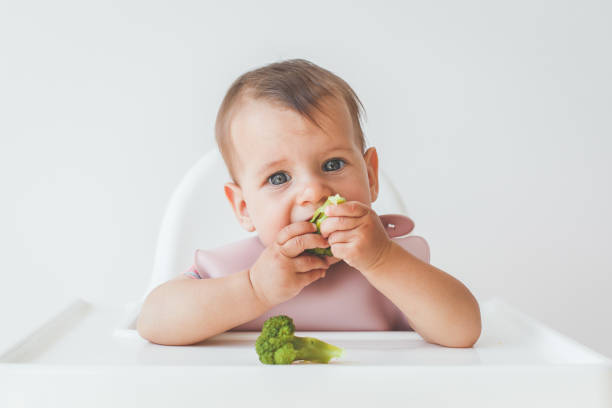
The method BLW (Baby-Led Weaning) it allows the baby to explore food with his own hands, developing autonomy and motor coordination.It is recommended to offer safe food and always supervise.
Essential tips:
- Never liquidate or sift food
- Wash fruits and vegetables thoroughly
- Use glass or stainless steel pots
- Keep a quiet environment during meals
Common Challenges in Food Introduction
The food introduction is a time full of challenges for parents and babies challenges in food introduction they are completely normal and are part of the child’s nutritional learning process.
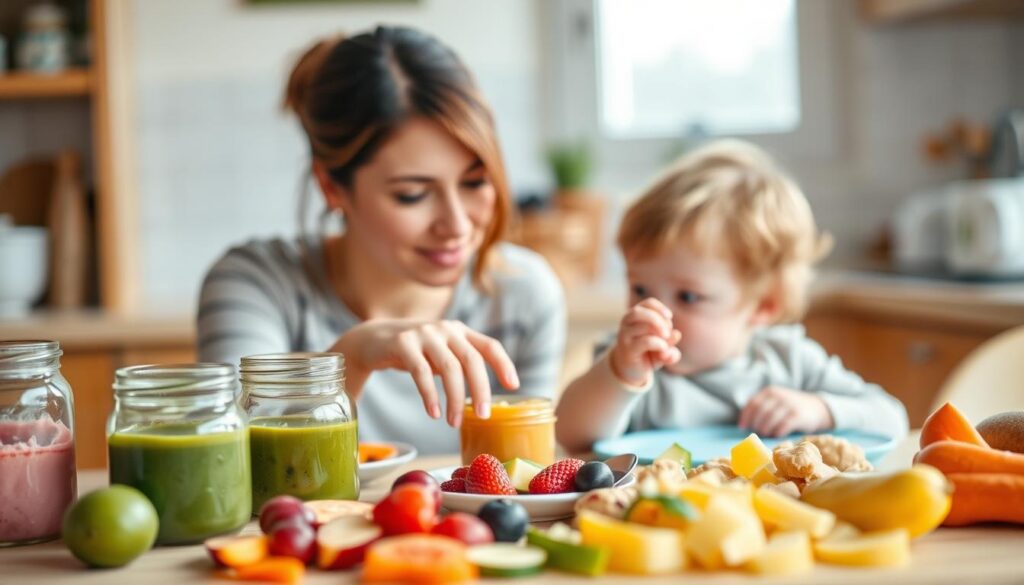
When the baby refuses food, it is important to remain calm. The recommendation of experts is to offer the same food 8 to 10 times at different times before giving up. Each baby has its own pace of adaptation.
- Recognize the baby’s hunger signals
- Respect the signs of satiety
- Do not force food
- Create pleasant moments during meals
The changes in baby feces after food introduction, it is normal to observe changes in the consistency, color and frequency of bowel movements.
| Feces Characteristics | What to Expect |
|---|---|
| Consistency | Firmer and more solid |
| Color | Variations between yellow, green and brown |
| Frequency | Decreased number of evacuations |
Watch for signs that require medical attention, such as presence of mucus, blood or very hardened stooltranquility and patience are key during this process of food discovery.
Hydration and Breastfeeding During Food Introduction
A hydration of the baby it is a crucial aspect during the food introduction. In the first six months, breast milk completely meets the fluid needs of the baby, it is unnecessary to offer additional water. When starting complementary feeding, filtered and boiled water becomes important, and should be offered in small quantities between meals.
Breastfeeding remains essential in this period. It is recommended to maintain breastfeeding until two years or more, as recommended by the World Health Organization. Breast milk remains the main nutritional source in the first year, and can be offered before and after meals without impairing the absorption of new foods.
It is important to avoid teas and juices in the first year of life. After 12 months, natural juices can be introduced, freshly made, without added sugar. The transition cups or small open cups are ideal to stimulate motor development and assist in the hydration of the baby during food introduction.
Each baby has its own pace of food adaptation.The family should be attentive to individual needs, always with pediatric monitoring to ensure a healthy and safe food introduction, balancing breastfeeding and new foods.